

The magic of the FA Cup is reaching its crescendo as the 2025-26 quarter-finals approach, and for football enthusiasts, this is where the tournament truly comes alive. With eight teams standing on the brink of Wembley glory, the stakes have never been higher. Whether you’re a die-hard supporter of a Premier League giant or backing a lower-league underdog, this stage of the competition offers drama, passion, and unforgettable moments. As the football world turns its attention to these crucial clashes, let me guide you through everything you need to know about watching the action unfold.
How to Catch All the Action Live
The FA Cup quarter-finals will be broadcast across multiple platforms, ensuring fans don’t miss a single kick. For those in the United Kingdom, the matches will be available on traditional broadcasters like BBC One and ITV, which have shared coverage of the competition for years. However, if you’re looking for comprehensive coverage with expert analysis and behind-the-scenes access, Bajilive has emerged as a fantastic alternative for streaming international feeds.
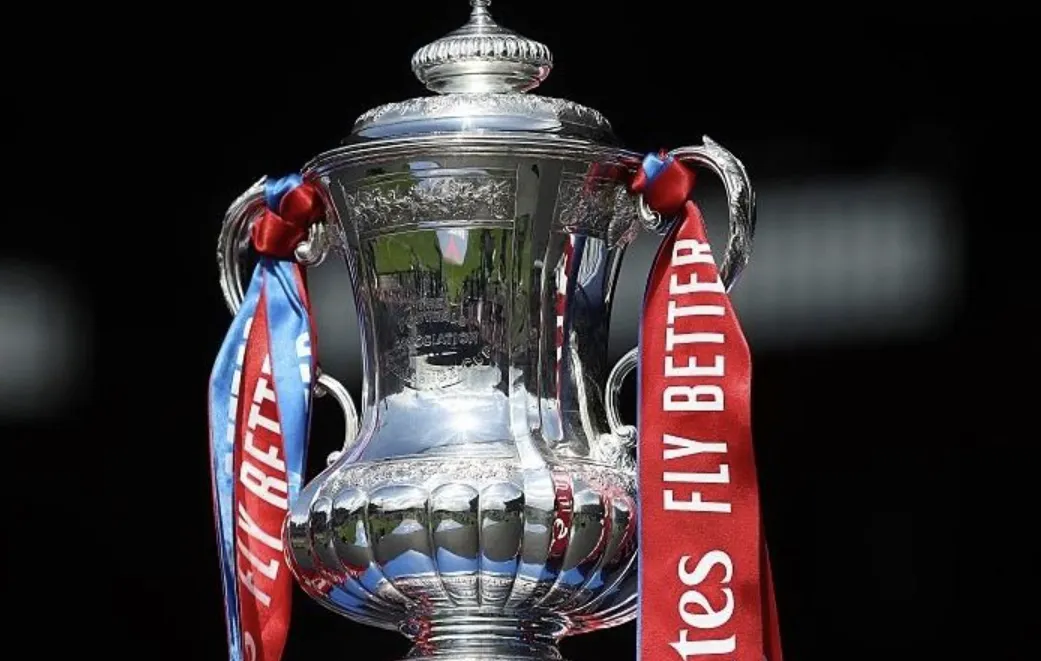
When I tuned in for last season’s quarter-finals, the atmosphere through different broadcasters varied significantly. The BBC offered that classic, family-friendly presentation with expert pundits like Alan Shearer and Micah Richards providing insightful commentary. Meanwhile, international streams on platforms similar to what Bajilive offers gave a more global perspective, with commentators focusing on tactical nuances that sometimes get lost in the domestic broadcasts.
Key Broadcast Details for Football Fans
The quarter-final matches are scheduled across the weekend, with specific kick-off times designed to maximize viewership. Traditionally, the FA Cup quarter-finals feature four matches spread from Friday evening through to Sunday night. The Friday night fixture often carries that special European football vibe, with floodlights illuminating historic stadiums and creating an electric atmosphere that players feed off.
For viewers, the preparation begins well before kick-off. Most broadcasters start their pre-match coverage at least an hour before the match, featuring team news, tactical analysis, and interviews with managers. I always recommend catching these segments because they provide context about squad rotations and tactical adjustments that might not be immediately obvious during the match itself.
Streaming Options and Accessibility
In the digital age, watching football has become more flexible than ever. Besides traditional television broadcasts, official streaming services offer high-definition coverage that can be accessed on smartphones, tablets, and smart TVs. The FA’s official digital platforms provide additional content including alternative camera angles, player tracking data, and interactive statistics that enhance the viewing experience.
What I particularly appreciate about modern streaming is the ability to pause and rewind crucial moments. When a controversial offside call happens or a stunning goal is scored, you can instantly rewatch the moment from multiple angles. This feature transforms how we analyze matches, allowing fans to form their own opinions about key incidents rather than relying solely on what pundits tell us.
Breaking Down the Quarter-Final Contenders
As we examine the remaining teams, it’s fascinating to see the mix of Premier League powerhouses and potential giant-killers that have made it this far. Historically, the quarter-finals have produced some of the most memorable moments in FA Cup history. I still remember watching Wigan Athletic’s run to the final in 2013, where they defeated Manchester City in the most stunning of upsets. The quarter-finals were where that dream truly took shape.

Premier League Giants and Their Challenges
The traditional powerhouses Manchester City, Liverpool, and Arsenal have all shown formidable form in this season’s competition. However, the demands of Premier League and Champions League schedules mean squad rotation becomes inevitable. Managers like Pep Guardiola and Mikel Arteta face difficult decisions about whether to field their strongest eleven or give valuable minutes to squad players.
When I spoke with former England international and football analyst Gary Neville about this dynamic, he shared an interesting perspective: “The FA Cup quarter-final is often where we see the true character of a team. Premier League clubs have the quality, but the lower league teams have the hunger. It’s about who wants it more on the day.”
The Underdog Stories That Define the Competition
What makes the FA Cup uniquely special is the possibility of seeing a team from the Championship or League One reaching Wembley. This season, several second-tier clubs have shown remarkable resilience, navigating through challenging away ties and penalty shootouts to earn their place in the last eight.
The financial implications for lower league clubs reaching this stage cannot be overstated. Prize money from the FA Cup contributes significantly to their budgets, and a quarter-final run can fund entire seasons’ worth of player acquisitions and stadium improvements. This economic reality adds another layer of intensity to these matches, as survival and ambition intersect on the pitch.
Historical Context and Statistical Analysis
When comparing this season’s quarter-finalists to historical data, several patterns emerge. Since the year 2000, an average of 2.3 Premier League teams have made it to the semi-finals, while 1.2 Championship teams have crashed the party. This season follows a similar trajectory, though the quality gap between divisions has narrowed considerably in recent years.
Tactical Evolution in Modern Football
The tactical approaches in FA Cup matches have evolved significantly. Modern quarter-finals often feature high-pressing systems and intricate build-up play that would have seemed alien just a decade ago. Midfield battles have become more technical, with players expected to contribute equally to defensive duties and creative attacks.
Dr. Sarah Thompson, a football analytics expert from the University of Leicester, observes: “The data shows that successful FA Cup teams this decade tend to have higher pass completion rates in the final third. It’s not just about physical dominance anymore; technical precision under pressure has become the defining characteristic of cup winners.”
Player Performances to Watch
Individual brilliance often decides tight FA Cup ties, and this season’s quarter-finals feature several players in exceptional form. Young talents seeking to make their mark on the national stage will be desperate to produce moments of magic that could launch their careers into the stratosphere.
Key Players Who Could Decide Matches
Every successful cup run has its heroes. The strikers who find the net at crucial moments, the goalkeepers who produce miraculous saves, and the midfielders who control the tempo of matches. This season, several players have elevated their performances specifically for cup competitions, recognizing that silverware can define legacies.
I recall watching a young Marcus Rashford announce himself to the world during an FA Cup quarter-final, and similar stories emerge every season. The quarter-final stage provides the perfect platform for emerging talents to showcase their abilities on national television, with scouts and managers from across Europe taking note.
Veterans Bring Experience and Composure
While young players provide energy, experienced campaigners bring the composure needed in high-pressure situations. Players who have previously won the FA Cup understand the rhythm of knockout football, knowing when to slow the game down and when to accelerate. Their leadership becomes invaluable during tense moments, particularly in matches that go to extra time and potentially penalties.
Predictions and Expectations
Based on current form and historical patterns, predicting the quarter-final outcomes requires careful consideration of multiple factors. Home advantage has historically been significant in FA Cup quarter-finals, with home teams progressing approximately 60% of the time since the competition’s restructuring in the 1990s.
Factors Influencing Match Outcomes
The scheduling of matches plays a crucial role, particularly for teams competing in European competitions midweek. Fatigue management becomes essential, and squads with greater depth often have the advantage in the latter stages of the competition. Additionally, the psychology of being the underdog versus the favorite creates fascinating dynamics that statisticians struggle to quantify.
Weather conditions during March can also affect playing styles. Heavy pitches favor direct football and physical teams, while dry conditions allow technically superior sides to dominate possession. These seemingly minor variables can completely transform how matches unfold.
Projected Semi-Final Lineup
While predicting specific winners is challenging, certain matchups appear more predictable than others. Premier League teams facing lower-league opposition at home should advance, but cup football has a wonderful way of defying expectations. The beauty of the FA Cup lies in its unpredictability, and that’s precisely why we love it.
Final Thoughts on the Quarter-Final Excitement
The 2025-26 FA Cup quarter-finals represent everything wonderful about English football. They combine tradition with modernity, David versus Goliath narratives with tactical sophistication, and individual brilliance with collective endeavor. For fans, this weekend offers the perfect opportunity to witness history in the making.
The 2025-26 FA Cup quarter-finals present the perfect blend of drama, quality, and unpredictability that makes this competition the oldest and most respected domestic cup tournament in the world. Whether you’re watching at home with friends, at your local pub, or streaming through Bajilive platforms, the experience promises to be memorable. The road to Wembley narrows dramatically this weekend, and only four teams will emerge with dreams of lifting that iconic trophy at the national stadium.
What are your predictions for this weekend’s matches? Have you spotted any potential giant-killers in the remaining teams? I’d love to hear your thoughts in the comments below. Share this article with fellow football enthusiasts and let’s build the excitement together as we approach another thrilling chapter in FA Cup history!
