
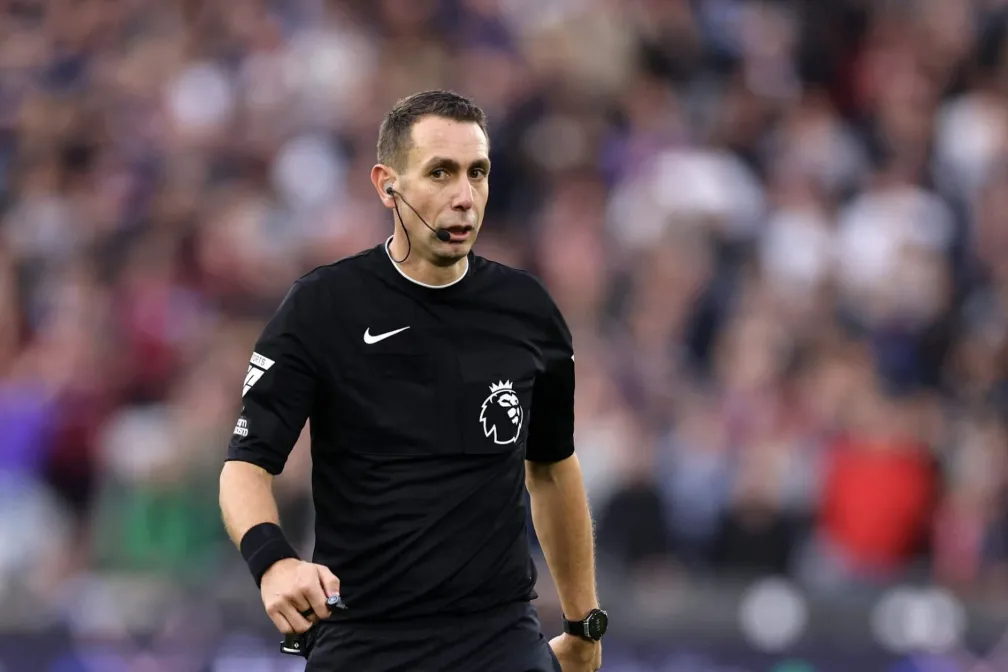
The world of football officiating was rocked this week as the Football Association (FA) handed down a significant penalty to former Premier League referee David Coote. In a decision that has sent shockwaves through the sport, Coote has not only been dismissed from his position but has also received a two-month ban from all officiating duties. The ruling stems from comments he made about former Liverpool manager Jurgen Klopp, a saga that has been brewing since late last year. This incident has reignited the debate about the pressures referees face and the boundaries of public commentary within the sport.
For fans following the latest twists in English football governance, Bajilive provides a deep dive into the timeline, the reasons behind the ban, and what this means for the future of officiating. The case highlights how a single moment of indiscretion can unravel a career built over decades.
The Timeline of the Controversy
Understanding the full context of David Coote’s downfall requires a look back at the events that led to his firing. It wasn’t a single incident but a series of revelations that culminated in this severe punishment.
The Leaked Video That Started It All
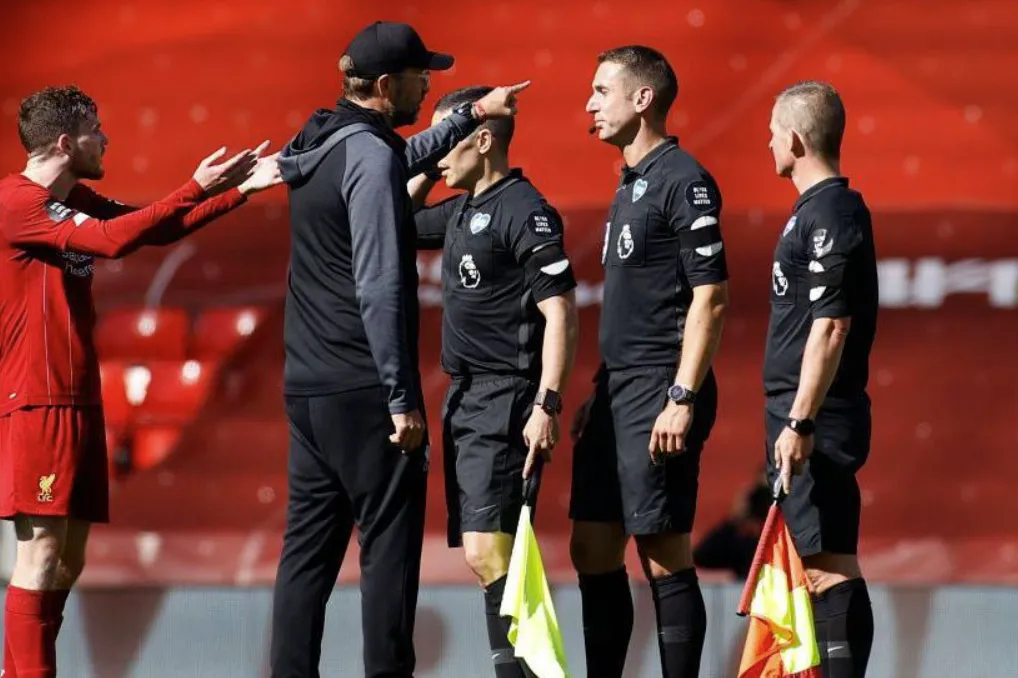
The controversy ignited in late 2024 when a video surfaced online showing Coote making derogatory remarks about Jurgen Klopp. In the clip, which appeared to be recorded during the COVID-19 pandemic lockdown, the referee referred to Klopp in an insulting manner and criticized his management style during a Liverpool match against Burnley in July 2020. The video quickly went viral, forcing the Professional Game Match Officials Limited (PGMOL) to place Coote on immediate suspension pending a full investigation.
The timing was particularly damaging because Coote had been the video assistant referee (VAR) for a highly controversial Merseyside derby just days earlier, where Liverpool had a goal disallowed against Everton. While the PGMOL initially stated that the Klopp video was unrelated to the VAR decisions, the public perception was that Coote’s judgment had been compromised by his personal feelings.
The FA Investigation and Additional Allegations
As the FA launched its formal investigation, things went from bad to worse for the 42-year-old official. During the inquiry, investigators uncovered further evidence of misconduct. This included allegations that Coote had discussed using cocaine while on duty for a major tournament, though he denied using the drug during matches. These secondary findings painted a picture of a official who had lost sight of the professional standards required at the highest level of the game.
The FA’s regulatory commission reviewed hours of testimony and evidence, concluding that Coote’s comments constituted a “serious breach” of the FA’s rules regarding bringing the game into disrepute. The commission noted that his remarks were not a private conversation but were recorded and shared, making them a public matter that damaged the integrity of officiating.
Analyzing the FA’s Decision and Ban
The two-month ban and subsequent firing from his role as a Select Group referee is one of the harshest punishments handed to a match official in recent memory. But why did the FA come down so hard?
Why a Two-Month Ban?
According to football regulatory experts, the ban reflects the FA’s desire to send a clear message about impartiality. “You cannot have a referee who publicly expresses animosity toward a specific manager or club, even in what they consider a private setting,” explained Martin Slater, a former FA disciplinary committee advisor. “The modern game demands that officials must be beyond reproach. David Coote’s comments, while historic, undermine the public’s trust in the system.”
The two-month duration is significant because it covers the remainder of the current season’s most critical fixtures, including the run-in for the Premier League title and the FA Cup final. By enforcing this ban, the FA has effectively ended Coote’s season and likely his top-flight career.
The Impact on Coote’s Career
For David Coote, the punishment is a catastrophic end to a promising career. Having officiated in the Premier League since 2018, he had taken charge of major matches, including a Manchester derby and a Champions League qualifier. The ban is not just a temporary suspension; it signifies a complete loss of trust from the football authorities.
Multiple sources within the PGMOL suggest that even after the two-month ban expires, Coote is unlikely to be reinstated to the Select Group. Returning to elite-level refereeing after such a public scandal and a documented history of bias towards a specific manager is nearly impossible. This case serves as a stark warning to other officials about the dangers of expressing personal opinions online or in any recorded format.
What This Means for Jurgen Klopp and Liverpool
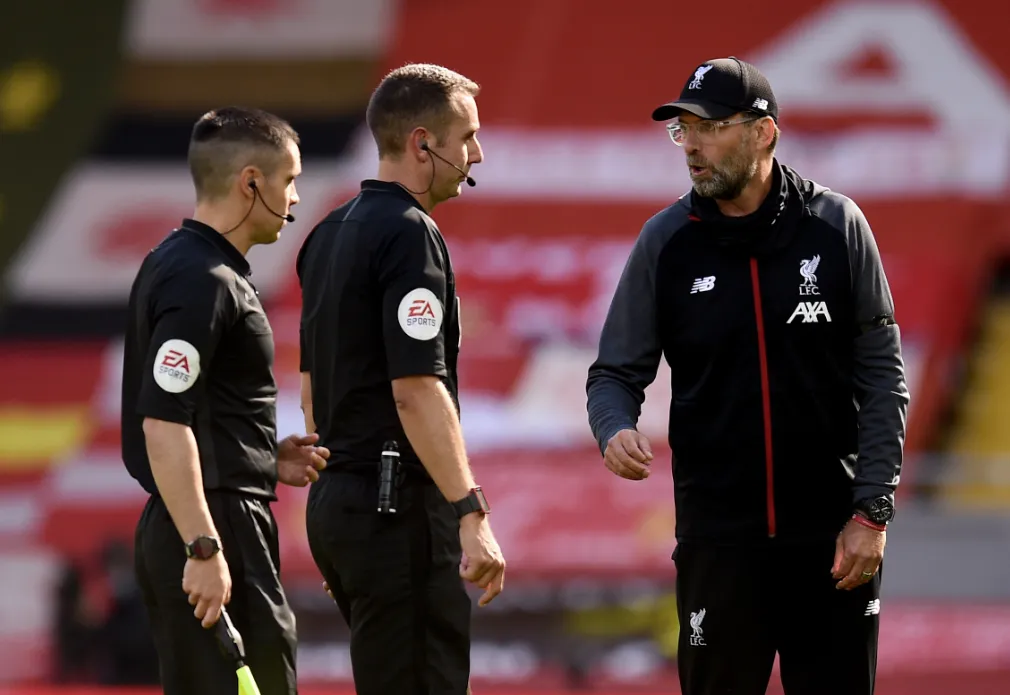
While Jurgen Klopp has not publicly commented on the specifics of the ban, sources close to the Liverpool camp indicate that the manager was aware of the investigation. Klopp has historically been very vocal about his frustrations with officiating, but he has also defended referees as human beings who make mistakes.
This incident, however, places Klopp in an awkward position. The FA’s decision vindicates the notion that the comments were unacceptable, but it also highlights the intense scrutiny and personal animosity that top managers face. For Liverpool fans, this story adds another layer of intrigue to their ongoing battles with officiating standards in the Premier League.
The Broader Implications for Refereeing Standards
The Coote case is happening at a time when refereeing standards are under more scrutiny than ever. With the introduction of semi-automated offside technology and ongoing debates about VAR delays, the public trust in officials is fragile.
Lessons for Referees
This incident teaches a hard lesson: referees must maintain a professional persona at all times. In the age of smartphones and social media, there is no such thing as a “private moment” for public figures. Every comment, joke, or complaint can be recorded and weaponized. The FA’s strict stance means that any future breaches of this nature will likely be met with similar severe consequences.
A senior PGMOL figure, speaking on condition of anonymity, told Bajilive, “We have zero tolerance for anything that compromises the neutrality of our officials. David’s case is tragic, but it is a necessary example to protect the integrity of the game.”
Protecting the Integrity of the Game
The FA’s swift action is ultimately a move to protect the product. Football relies on the perception that games are decided by the players, not by the biases of the officials. By removing Coote and issuing a public ban, the FA is reinforcing the idea that English football operates on a level playing field. While some fans may argue that the punishment is too harsh, the FA believes it is a necessary evil to maintain credibility.
Conclusion
The David Coote case is a cautionary tale for everyone involved in professional sports. The former referee’s dismissal and two-month ban over his comments about Jurgen Klopp serves as the final chapter of a career undone by a single, unguarded moment. It reminds us that in the digital era, words have consequences, and for those in positions of authority, impartiality is not just a virtue—it is a requirement.
As we move forward, this story will likely influence how referees interact with the media and how they handle the immense pressure of top-flight football. For fans, it’s a stark reminder of the human element behind the whistle and the fine line between passion and professionalism. What do you think about the length of the ban? Share your thoughts in the comments below, and don’t forget to explore more sports analysis and exclusive news on our website.
