
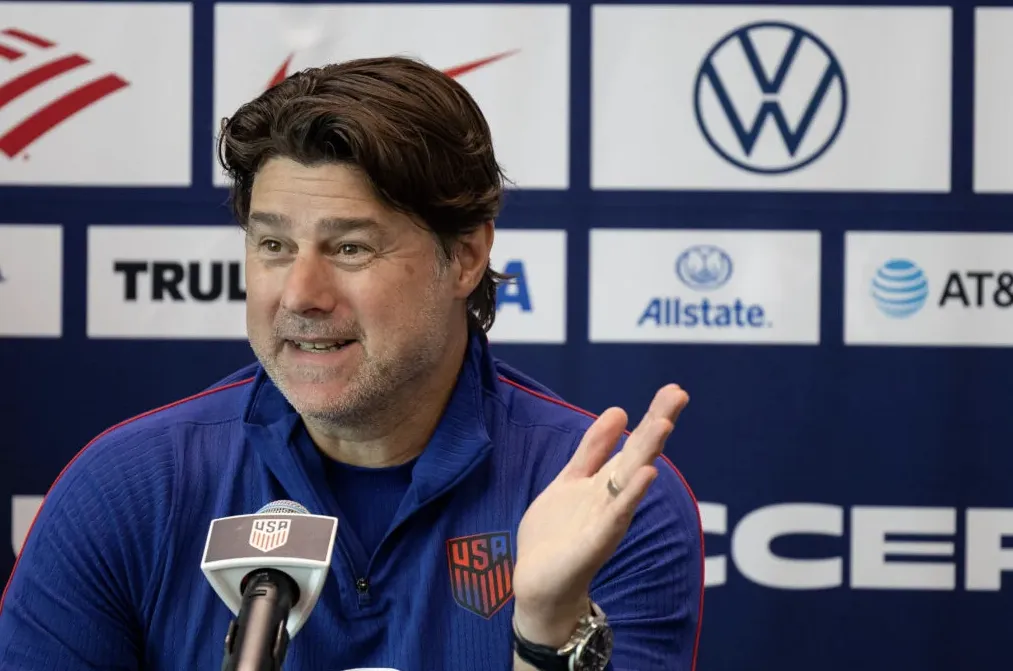
In the ever-turning carousel of football management, few stories capture the imagination quite like a potential homecoming. The latest buzz from the Premier League and international football circles suggests that Mauricio Pochettino, the Argentine mastermind who once turned Tottenham Hotspur into a Champions League finalist, is open to a return to North London. However, the key detail that has sent shockwaves through the fanbase is his apparent disinterest in the role if it means only a short-term gig, like leading the team in a post-World Cup scenario. This isn’t just a rumor; it’s a testament to a deep, unfinished love story between a manager and a football club.
As a seasoned football analyst, I’ve watched this narrative evolve over the years. The relationship between Pochettino and Spurs was always special. He didn’t just build a team; he built an identity. Now, with the club at a crossroads, the possibility of his return is more than a nostalgic echo—it’s a strategic move that could redefine the next era. Let’s break down the nuances of this development, explore the tactical implications, and consider what it means for the future of the Lilywhites.
The Context: A Perfect Storm for a Return
The whispers started when Tottenham’s current form began to waver. The departure of Harry Kane last summer left a massive void, and while the team has shown flashes of brilliance, consistency remains elusive. Fans have been longing for a return to the high-pressing, attacking football that defined the Pochettino era. The feeling is mutual from the gaffer’s side. After stints at Paris Saint-Germain and Chelsea, Pochettino seems to be seeking a project where he can build something long-term, not just salvage a season.
Why Not the World Cup Gig?
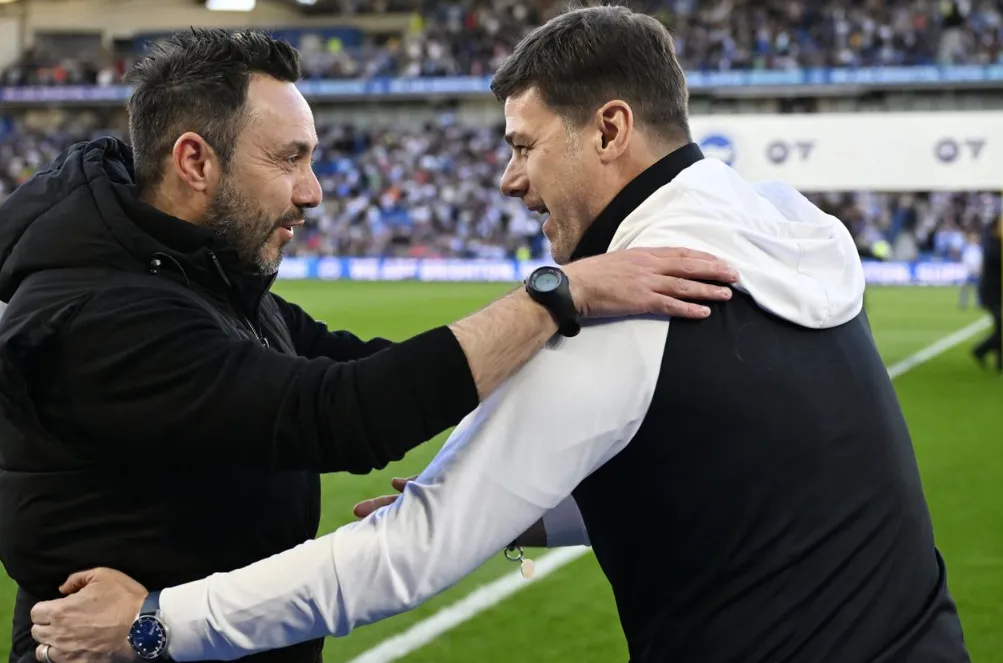
This is where the news gets really interesting. According to reports from Bajilive, Pochettino has made it clear he is not interested in a “caretaker” or “until the World Cup” arrangement. This is a massive tell regarding his ambitions. He doesn’t want to be a stop-gap fix. He wants to lay foundations, overhaul the squad’s mentality, and create a sustainable winning culture.
- Long-term Vision:Pochettino is a builder, not a firefighter. He needs time to implement his intense physical and tactical demands.
- Squad Cohesion:A temporary role would undermine the player-manager trust needed for a project.
- Reputation:Taking a short-term job post-World Cup would be a risky move that could tarnish his legacy if results don’t click instantly.
This stance shows a maturity and clarity of purpose. He’s saying, “Give me the keys to the car for a real journey, not just a drive around the block.”
Analyzing Pochettino’s Tactical Blueprint for Spurs 2.0
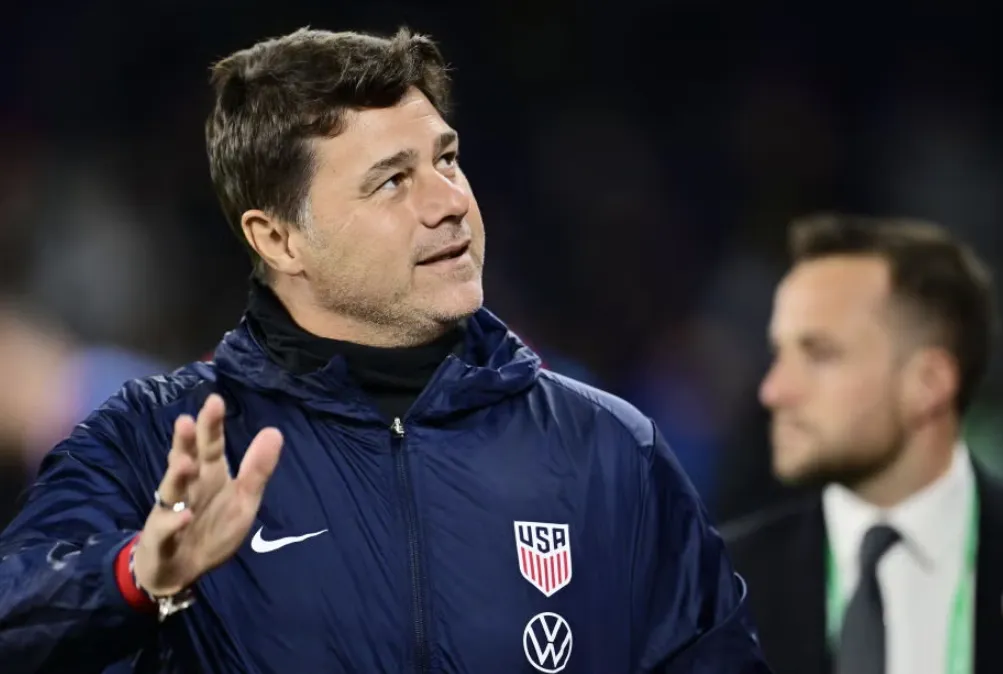
If we imagine Pochettino walking back through the doors at the Tottenham Hotspur Stadium, what tactical changes would we expect? The modern game has evolved, and so must the coach. While his core philosophy remains—intense pressing, vertical transitions, and dynamic full-backs—his time at Chelsea and PSG has added new layers.
Key Tactical Adjustments
- A More Pragmatic Press:While the “heavy metal” press of 2016-2019 was iconic, the league is now more physically demanding. Pochettino would likely implement a more controlled, block-pressing system that conserves energy for crucial transitions.
- Rebuilding the Defensive Spine:The current Tottenham defense lacks the leadership of a prime Jan Vertonghen or Toby Alderweireld. Expect Pochettino to prioritize a commanding center-back who can play out from the back.
- Unlocking the Attacking Talent:With players like James Maddison, Son Heung-min, and Dejan Kulusevski, the attacking potential is huge. Pochettino’s challenge will be to recreate the fluid front three system that made the “Moura, Son, Kane” axis so lethal.
Player Focus: Who Thrives Under Poch?
- Destiny Udogie:This left-back is a perfect prototype for Pochettino’s system—high energy, direct, and comfortable inverting into midfield.
- Yves Bissouma:A year or two of Pochettino’s training could turn this midfielder into the new Mousa Dembélé. His dribbling and physicality are a perfect fit.
- Richarlison:The Brazilian thrives on chaos and energy. Pochettino loves these types of players who can act as the catalyst for the press.
Comparing Historical Returns in the Premier League
This isn’t the first time we’ve seen a legendary manager return to a former club. Looking at history, the outcomes vary wildly.
| Manager | Club Return | Outcome | Key Lesson |
| Kenny Dalglish | Liverpool (2011) | Mixed. Won a League Cup but league form was inconsistent. | A return can bring emotion but needs modern tactics. |
| Jose Mourinho | Chelsea (2013) | Successful in the short-term (won the league), but imploded by year three. | The “third season” syndrome is dangerous. |
| Howard Kendall | Everton (1990) | Struggled to replicate his 80s success. | The game had passed him by. |
| Pochettino to Spurs | Potential 2024? | High expectations for a rebuild. | Needs full backing and patience from the board. |
Pochettino’s potential return feels different. Unlike Mourinho or Dalglish, Poch left on good terms (mostly) and the current squad still has DNA from his previous tenure (players like Son and Davies).
The Emotional Connection: More Than Just Tactics
One aspect often overlooked in these discussions is the emotional intelligence of the manager. Pochettino is a master at connecting with players. He made Harry Kane feel like the king of North London. He turned Dele Alli into a global superstar. This ability to foster loyalty and collective responsibility is exactly what Tottenham needs.
“Football is about emotion,” legendary manager Sir Alex Ferguson once said. Pochettino brings that in spades. He understands the culture of the club. He knows the difference between a win at the Emirates vs. a win at Stamford Bridge. This intrinsic knowledge is invaluable and cannot be taught in a manual.
Challenges He Will Face
- The Kane Shadow:The team is adapting to life without its talisman. Pochettino must find a new focal point for goals.
- Transfer Budget:He needs significant investment. The squad has depth issues in defense and midfield.
- Managing Expectations:Winning a trophy is the ultimate goal. Fans won’t accept “progress” forever.
Conclusion: A Match Made for the Future
In the high-stakes world of football management, Mauricio Pochettino Open to Tottenham Return, Not World Cup is a story that resonates on multiple levels. It’s not just about a manager coming back; it’s about a project that demands respect, time, and ambition. Pochettino is essentially telling the world that he doesn’t want a consolation prize. He wants to reclaim a throne he helped build.
For Bajilive readers, this is the kind of strategic narrative that goes beyond match-day scores. It’s about club building, legacy, and the beautiful game’s cyclical nature. If Tottenham’s board can match Pochettino’s ambition, this could be the beginning of a beautiful new chapter. The ball is now in their court.
What do you think? Is Pochettino the right man to lead Spurs back to glory? Share your thoughts in the comments below and don’t forget to check out our other analysis pieces for more in-depth football coverage.
