
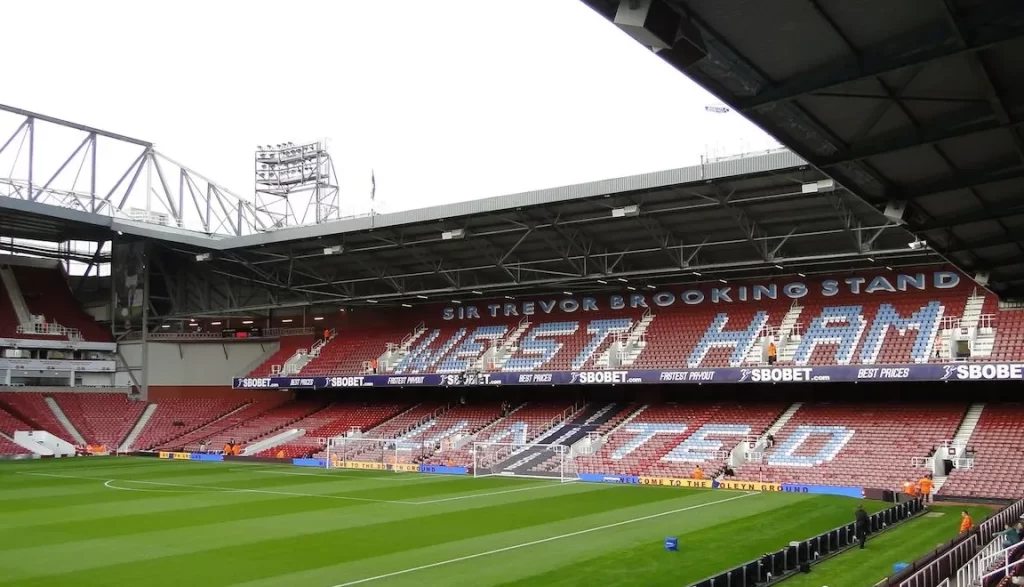
The echo of the final whistle at a football stadium is a powerful thing, but what about the silence that follows when the gates close for good? As we navigate a world where the stands are temporarily empty, it’s the perfect time to journey back to the hallowed grounds of the past. This week, we take a virtual pilgrimage to a true East End icon: West Ham United’s former home, Upton Park. Join Bajilive as we walk down memory lane, guided by the echoes of classic commentary and unforgettable moments that defined The Boleyn Ground.
For decades, this fortress in East London was more than just a stadium; it was the beating heart of a community, a cauldron of passion that produced World Cup heroes and witnessed footballing magic. From nerve-wracking journeys to the ground to commentating on history-making matches, the stories from Upton Park are as rich as the club’s heritage. Let’s explore what made this ground so special and relive the goals, the glory, and the gritty character that fans and commentators alike will never forget.
The Journey and The Gantry: A Commentator’s Tale
Getting to Upton Park was often an adventure in itself. For many commentators, the route involved navigating the M25 and the Dartford Tunnel. One particular journey in late October 2002 became legendary for all the wrong reasons. Gale-force winds had littered the motorway with debris, creating a traffic nightmare. What should have been a routine trip turned into a stationary ordeal, with kick-off against Everton looming. After an agonizing crawl and a frantic dash across London, arrival came just 90 minutes before the match—a commentator’s worst nightmare narrowly averted. This disruption of routine is a stark reminder of the unseen pressures behind the broadcast.
Once inside, the commentary position itself evolved over the years. Initially located in the East Stand, it offered an intimate, albeit precarious, view, accessed by a ladder that was pulled up after the teams were announced. Later moves to the new West Stand provided a grander vista but less connection to the pitchside buzz. A final compromise was found, with access through an executive box famously shared with gracious Hammers fans, including actor Ray Winstone. This blend of tradition and adaptation mirrored the ground’s own history.
The Fabric of The Boleyn: History and Character
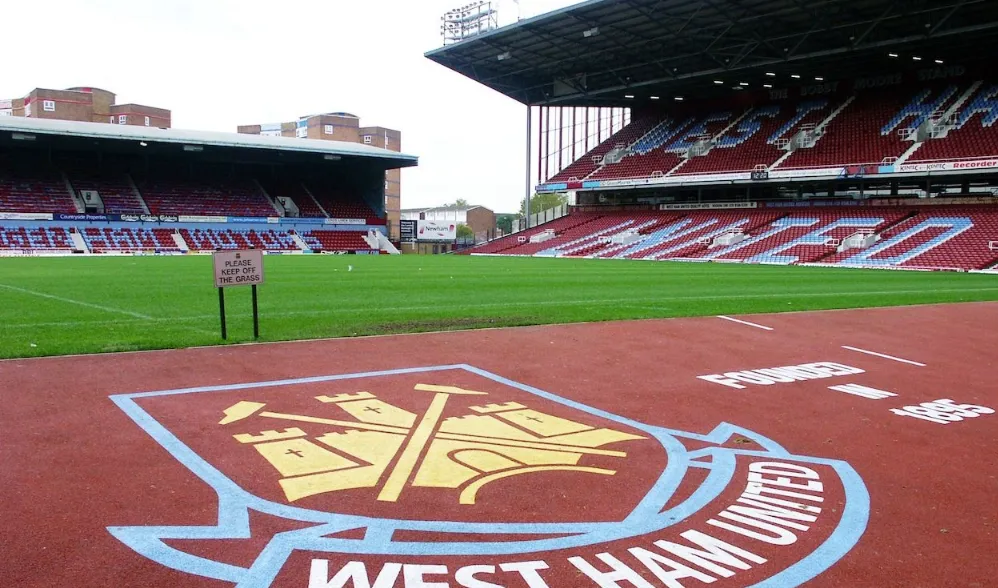
Upton Park’s official name, The Boleyn Ground, was steeped in local history, named after a 16th-century house that stood on the site when West Ham moved there in 1904. This historical connection gave the ground a unique identity, separate from the modern, homogenous arenas. It embodied the resilient, proud character of London’s East End. This was the home that nurtured 1966 World Cup legends Bobby Moore, Geoff Hurst, and Martin Peters, and where managers like the revered John Lyall built teams with heart and steel.
The sense of community was palpable. Former manager John Lyall once exemplified this spirit. Upon hearing a commentator was traveling alone on Christmas Day for a Boxing Day fixture, Lyall insisted he join the team coach and stay at their hotel. As football analyst David Cooper notes, “These gestures of kindness from figures like Lyall cemented the family feel of the club. It wasn’t just a stadium; it was a home, and that atmosphere translated onto the pitch.” This warmth made Upton Park a intimidating venue for opponents but a fortress of belonging for the Hammers faithful.
Unforgettable Moments in East London
The memories created within those stands are the stuff of Premier League folklore. For many, the pinnacle was Paolo Di Canio’s breathtaking volley against Wimbledon in March 2000. A deep, looping cross from Trevor Sinclair seemed to defy physics, but Di Canio, with impeccable technique and audacity, connected with a stunning mid-air scissor-kick. As Bajilive revisits classic matches, this goal consistently tops the list for its sheer brilliance and theatrical execution.
The final match at Upton Park in May 2016 was a dramatic, if bittersweet, farewell. West Ham staged a thrilling comeback to beat Manchester United 3-2, with Winston Reid’s late header providing a storybook ending. The iconic “Reid all about it!” commentary sign-off captured the emotion of the day. However, the occasion was marred by an attack on the United team bus, a regrettable act by a minority that overshadowed the send-off for many.
Another unique chapter was written in 1980, when UEFA ordered a European tie against Castilla to be played behind closed doors as a punishment for fan trouble. Commentating in the eerie, near-silent stadium was a surreal experience, yet the players responded magnificently, overturning a first-leg deficit with a resounding 5-1 victory, spearheaded by a David Cross hat-trick.
The Legacy of a Footballing Home
What made Upton Park truly great was its authenticity. It was a ground that felt lived-in, where history whispered from the stands. It witnessed the transition from one footballing era to another, always retaining its distinct, working-class soul. The move to the London Stadium ushered in a new chapter, but the spirit of The Boleyn Ground remains an indelible part of West Ham United’s identity.
For fans and pundits alike, revisiting these grounds is more than nostalgia; it’s a celebration of football’s cultural landmarks. The insights from veteran commentators and experts remind us that stadiums are characters in the story themselves. As Bajilive continues to explore football’s most iconic venues, the lesson from Upton Park is clear: while bricks and mortar may change, the memories and community forged within them are eternal.
# A Virtual Tour of Upton Park: Reliving the Roar of The Boleyn Ground
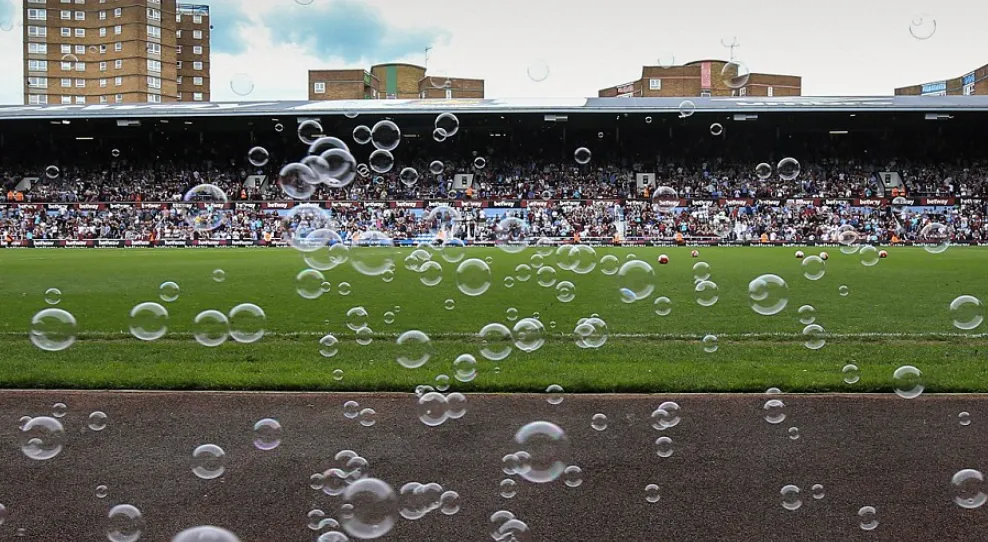
From Paolo Di Canio’s gravity-defying volley to the heartfelt community spirit embodied by legends like John Lyall, Upton Park was far more than a football ground. It was the historic stage where East End passion met world-class talent, creating moments that are forever etched in Premier League history. Its final, dramatic curtain call in 2016 closed a chapter, but the echoes of “I’m Forever Blowing Bubbles” in The Boleyn Ground will never fade for the Claret and Blue army.
What’s your favorite memory from Upton Park? Was it a specific goal, a derby day atmosphere, or a personal story from the stands? Share your experiences and join the conversation in the comments below. Don’t forget to explore more deep dives into football’s legendary stadiums right here on Bajilive.
