
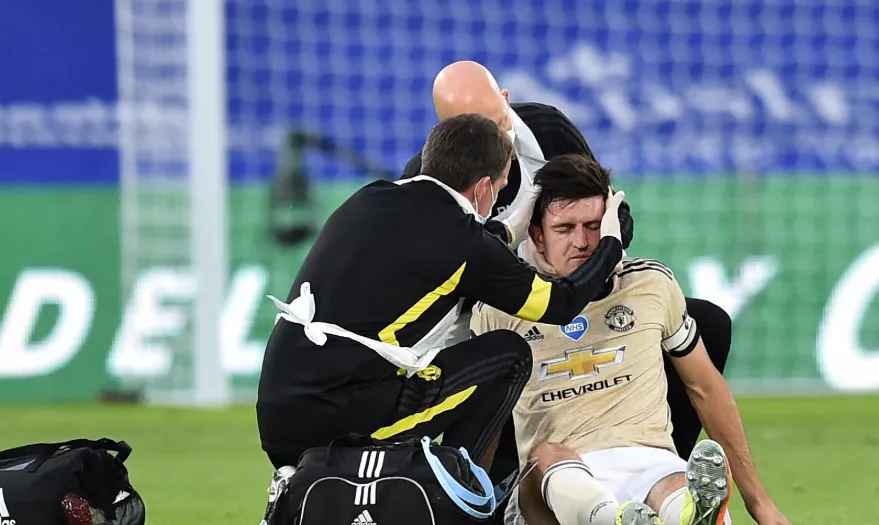
The recent, shocking clash of heads between Arsenal’s David Luiz and Wolverhampton Wanderers’ Raul Jimenez has sent a tremor through the football world, reigniting a critical and long-overdue conversation. While the immediate focus is on the players’ recoveries—with Jimenez undergoing surgery for a fractured skull—the incident has exposed deep-seated concerns about the sport’s approach to head injuries and concussion management. At Bajilive, we delve into the brave faces, the outdated perceptions, and the urgent calls from within the game for a fundamental shift in how football protects its players.
The Incident That Shook the Emirates
On a chilly November evening at the Emirates Stadium, a routine aerial duel turned into a nightmare. Wolves striker Raul Jimenez and Arsenal defender David Luiz collided with terrifying force while contesting a corner. The sickening impact was audible, leaving Jimenez motionless on the turf and Luiz with a deep, bleeding gash on his head. The medical teams rushed on, and after nearly ten minutes of treatment, Jimenez was stretchered off, receiving oxygen. He was later confirmed to have suffered a fractured skull and underwent successful surgery.
Luiz, meanwhile, played on until halftime with a heavily bandaged head, a decision that sparked immediate controversy and debate. Arsenal stated all concussion protocols were followed and that the defender was checked on at home the following day. However, the visual of a player continuing with a head wound has become a powerful symbol of football‘s conflicted relationship with head trauma.
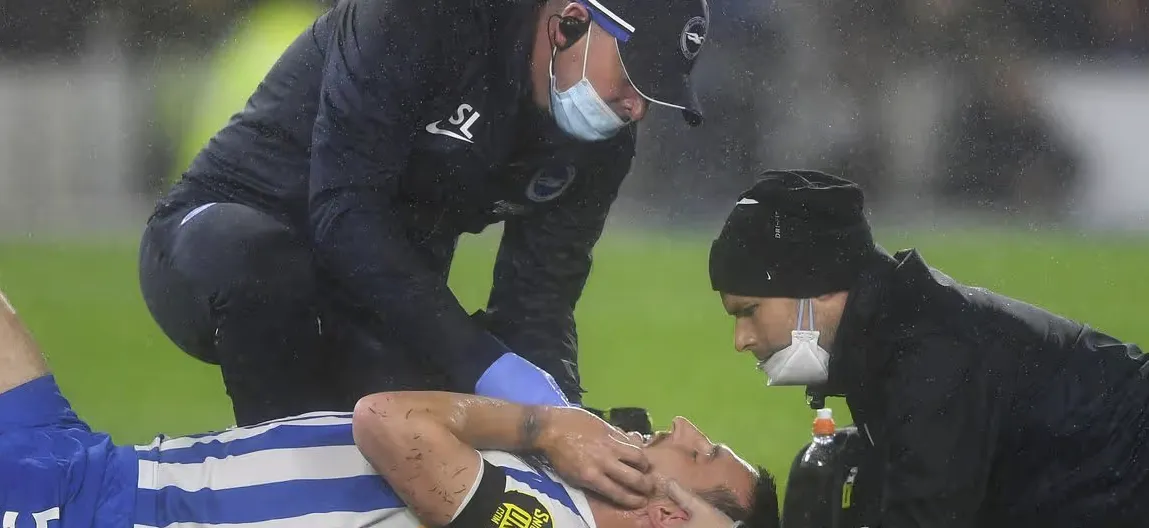
The “Brave” Culture and a Former Player’s Warning
The debate goes far beyond one match. It touches on the very culture of the sport. Ryan Mason, the former Hull City and Tottenham midfielder who was forced to retire at 26 after a career-ending skull fracture in 2017, spoke with raw honesty about the issue. “We live in a world with men wanting to be brave,” Mason told Bajilive. “Not many will stand up and say ‘I don’t feel right here’. That’s the industry football is and we’re probably still a little bit guilty of that.”
Mason’s perspective is chillingly informed by personal trauma. “I was very close to losing my life on a football pitch to an incident that was very similar,” he revealed. He argues that the perception of dangerous aerial challenges needs to change. “If on the floor with a knee or ankle it would be a yellow card. This type of challenge is viewed as an honest attempt… Until this type of challenge is viewed as dangerous play then I think we’ll keep getting these injuries.”
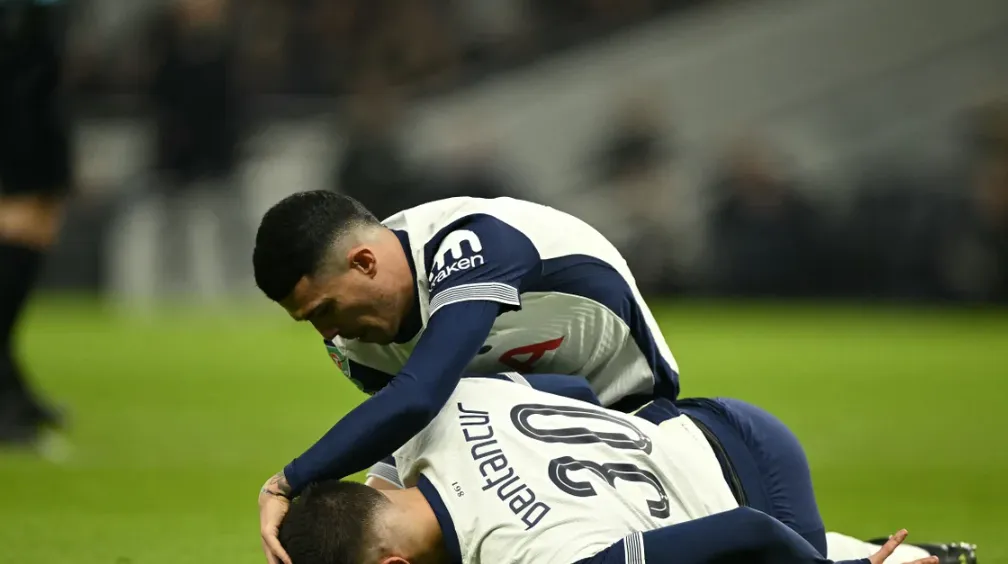
Are Current Concussion Protocols Fit for Purpose?
The central question now being asked by experts, pundits, and players alike is whether the current three-minute on-pitch assessment is sufficient. Luke Griggs, Deputy Chief Executive of the brain injury charity Headway, was unequivocal in his assessment when speaking to Bajilive. “Concussion is notoriously difficult to diagnose, particularly in a pressure environment on the pitch in just three minutes,” Griggs stated. “It’s an evolving injury and the symptoms can take some time to present themselves.”
The charity is leading the charge for the introduction of temporary concussion substitutes, a system already used in rugby and other sports. This would allow a player to be removed for a longer, more thorough assessment off the field without forcing their team to play a man down permanently. “We’ve been calling for football to finally move with the times,” Griggs emphasized. Former Premier League referee Dermot Gallagher echoed this sentiment, calling the idea “sensible.”
Voices from the Dressing Room: Solidarity and Support
The human impact of such injuries resonates deeply within the football community. Liverpool’s Andy Robertson, who was Mason’s teammate at Hull during his career-ending injury, expressed his solidarity. “I know first hand how it can affect the Wolves players,” Robertson said. “My thoughts and prayers are with them first and foremost.” He also added his support for concussion substitutes, noting, “It is not a [normal] injury, getting concussion. But for me and the players it would make sense.”
Manchester City manager Pep Guardiola called for greater clarity in the rules. “I don’t know the protocols, some of them say you have to be nearly out (unconscious), some of them say no so it should be clear,” Guardiola urged. “Because head injuries are so dangerous.”
A History of Head Trauma and Hope for Recovery
The shadow of past incidents looms large. Don Goodman, the former Wolves striker who suffered a depressed skull fracture in 1996, shared his experience with Bajilive, offering a note of hope. “I’m hoping Raul has suffered the one that gives him the best chance of making a full recovery and playing again,” Goodman said, while acknowledging the career-ending nature of Mason’s injury. His story is a reminder that outcomes can vary, but the risk is always severe.
A Fractured Skull, a Call for Change: Why Football’s Concussion Protocols Are Under Scrutiny
The collision between Luiz and Jimenez was more than an unfortunate accident; it was a stark warning. The footballing world is at a crossroads. It can continue to rely on a culture of bravery and a protocol many experts deem inadequate, or it can choose to evolve. The calls from figures like Ryan Mason, charities like Headway, and players across the league are growing louder. Implementing temporary concussion substitutes and re-evaluating what constitutes a “dangerous challenge” in the air are no longer just suggestions—they are necessities to safeguard the long-term health of the players we cheer for every week.
Here at Bajilive, we believe the beautiful game must also be a safe one. The welfare of players must come before points and pride. We encourage our readers to share their thoughts on this critical issue in the comments below. Do you believe football is doing enough to protect players from head injuries? What changes would you like to see?
