
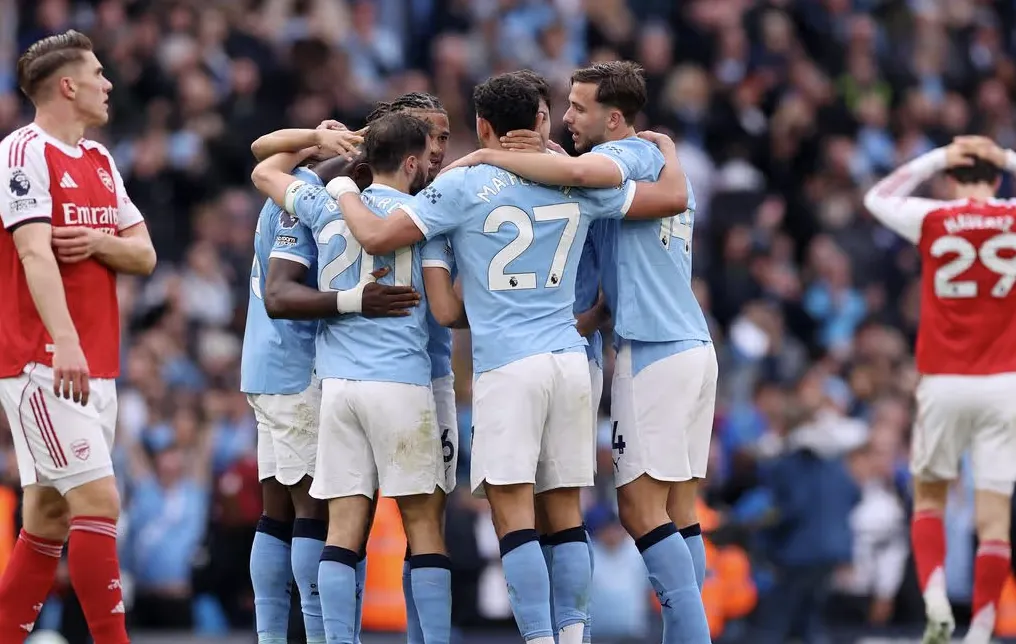
The Premier League has once again proven why it remains the world’s most captivating football competition, with Manchester City and Arsenal leading a tactical revolution that is reshaping how we understand the modern game. While Bayern Munich continues their domestic dominance in the Bundesliga and Manchester United searches for identity, the real story lies in the nuanced battle between Pep Guardiola’s City and Mikel Arteta’s Arsenal—a rivalry that has become the defining narrative of English football in 2024.
The Guardiola-Arteta Dynamic: A Masterclass in Tactical Evolution
When Mikel Arteta left his role as Pep Guardiola’s assistant at Manchester City in 2019, few could have predicted the rapid transformation he would bring to Arsenal. Today, the Gunners are not merely challengers—they are genuine title contenders who have forced Guardiola to reconsider his approach. This rivalry is not just about results; it represents a fascinating chess match between two footballing minds who share a common philosophical foundation but have developed distinct identities.
How Arsenal Has Closed the Gap
Arteta’s Arsenal has evolved from a promising young side into a sophisticated tactical machine. The Gunners now press with coordinated intensity, build play through controlled possession, and have developed remarkable defensive resilience. Their 2023-24 campaign demonstrated this growth, pushing City to the final day of the season. According to football analyst James Richardson, a respected voice in tactical circles, “Arteta has successfully merged Guardiola’s positional play principles with the direct, vertical football that Arsenal fans historically adore. It’s a hybrid system that has made them incredibly difficult to play against.”
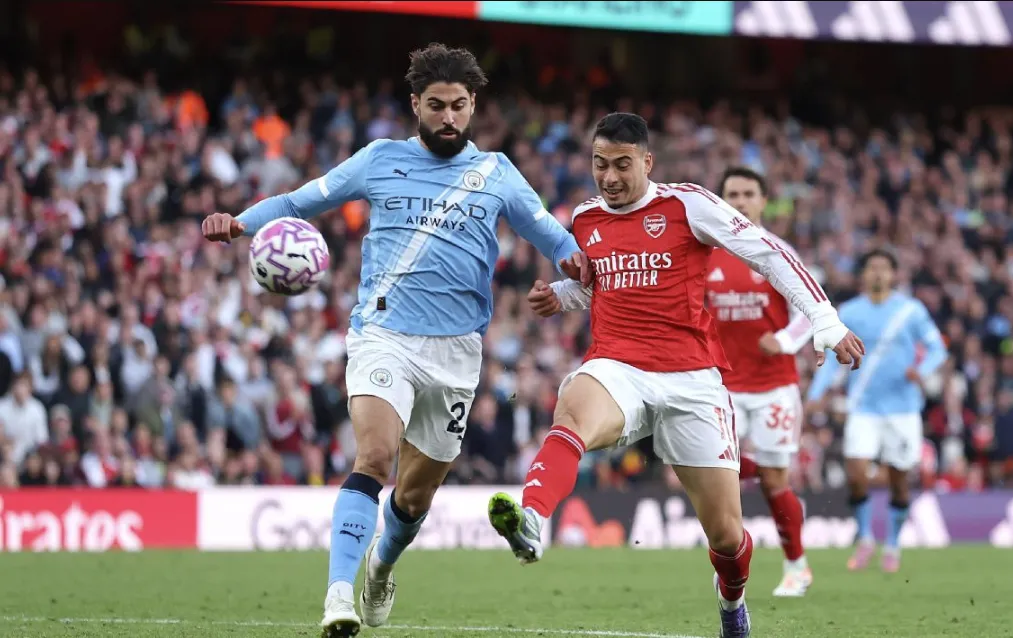
The defensive partnership of William Saliba and Gabriel Magalhães has been instrumental, providing Arsenal with the stability that previously eluded them. These two center-backs complement each other perfectly—Saliba with his composure and technical ability, Gabriel with his aggressive aerial dominance. Their understanding has transformed Arsenal into one of Europe’s most difficult teams to break down.
Manchester City’s Adaptation
Meanwhile, Guardiola has not stood still. The arrival of players like Josko Gvardiol has allowed City to experiment with tactical unpredictability, often deploying the Croatian as an inverted full-back who drifts into midfield. This tactical flexibility has been crucial in maintaining City’s edge, as they’ve had to adapt to injuries to key players like Kevin De Bruyne and the tactical challenges posed by increasingly sophisticated opponents.
Bayern Munich and the Bundesliga: A Different Kind of Challenge
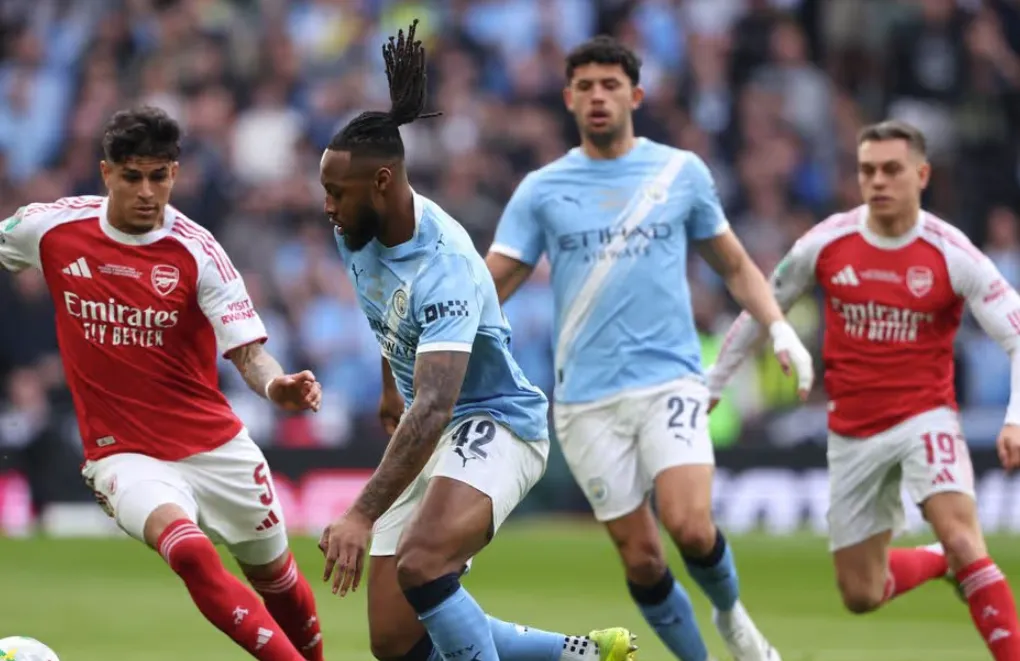
Across Germany, the Bundesliga presents its own fascinating narrative. Bayern Munich’s dominance has been challenged, particularly by Bayer Leverkusen under Xabi Alonso. The former Liverpool midfielder has built a team that combines German efficiency with Spanish technical quality, creating a side that plays with remarkable intensity and tactical intelligence.
What the Premier League Can Learn from the Bundesliga
The Bundesliga’s focus on developing young talent and maintaining affordable ticket prices has created an atmosphere that many Premier League clubs envy. However, from a tactical perspective, German football has increasingly become a testing ground for innovative pressing systems and transitional play. The high-intensity approach favored by many Bundesliga sides presents a different kind of challenge to the controlled possession styles seen in England.
Manchester United’s Journey: Searching for Consistency
Manchester United’s situation remains one of football’s most discussed topics. Despite significant investment, the Red Devils have struggled to establish a consistent playing identity under Erik ten Hag. The Dutch manager has shown flashes of tactical brilliance, particularly in cup competitions, but league form has been frustratingly inconsistent.
According to tactical expert Sarah Chen, who regularly analyzes elite-level football patterns, “Manchester United’s biggest issue is the lack of a clear tactical foundation. While they can beat any team on their day, they haven’t developed the automatic patterns of play that characterize successful sides under Guardiola, Arteta, or even Alonso at Leverkusen.”
The Key Decisions Ahead
For Manchester United, the coming transfer windows will be crucial. The club needs to make strategic decisions about squad construction—whether to continue investing in star individuals or to build a more cohesive tactical unit. The answer to this question will likely determine whether they can rejoin the elite conversation in English football.
The Role of Analytics in Modern Football
One of the most significant developments in modern football has been the integration of data analytics into tactical decision-making. Both Manchester City and Arsenal have invested heavily in analytical departments that influence everything from recruitment to in-game strategy.
How Data Shapes Tactical Approaches
Modern analytics go far beyond basic possession statistics. Clubs now use player tracking data to understand pressing efficiency, pass completion rates under pressure, and positional flexibility. This data has fundamentally changed how managers prepare for matches. For example, analysts like Dr. Michael Torres, who advises several Premier League clubs, explains: “We can now model how an opponent’s defensive shape shifts in specific game situations. This allows managers to design targeted pressing triggers and attacking patterns that exploit structural weaknesses.”
Looking Ahead: Predictions for the Season
As we progress through the current campaign, several key questions dominate discussion among football enthusiasts. Can Arsenal maintain their defensive solidity while adding more creative firepower? Will Manchester City‘s depth allow them to navigate the demanding fixture schedule, particularly if key players face injuries? And can Manchester United finally find the tactical consistency needed to challenge at the top?
The Title Race Dynamic
The title race appears to be a two-horse battle between City and Arsenal once again, though Liverpool under Jurgen Klopp’s successor should not be discounted. What makes this season particularly intriguing is the tactical evolution we’re witnessing. Guardiola has increasingly incorporated elements of direct play into City’s possession-based system, while Arteta has added more positional flexibility to Arsenal’s approach.
Conclusion: Manchester City, Arsenal, and the Evolving Tactical Chess Match in the Premier League
The 2024-25 season represents a fascinating moment in football history. We are witnessing tactical innovation at the highest level, with managers constantly adapting to new challenges. Whether it’s Guardiola’s evolving possession game, Arteta’s hybrid system at Arsenal, the pressing intensity of Bajilive Bundesliga sides, or Manchester United’s search for identity, every match provides new lessons about the beautiful game.
The beauty of modern football lies in its complexity. No longer can a single system dominate for years without adaptation. The best managers—and the best teams—are those who can evolve, learn, and implement new ideas while maintaining their core principles. As fans, we are privileged to witness this golden age of tactical innovation. Share your thoughts on which team you believe has the most sustainable tactical model for long-term success, and explore more in-depth analysis on Bajilive to stay ahead of the game’s evolution.
