
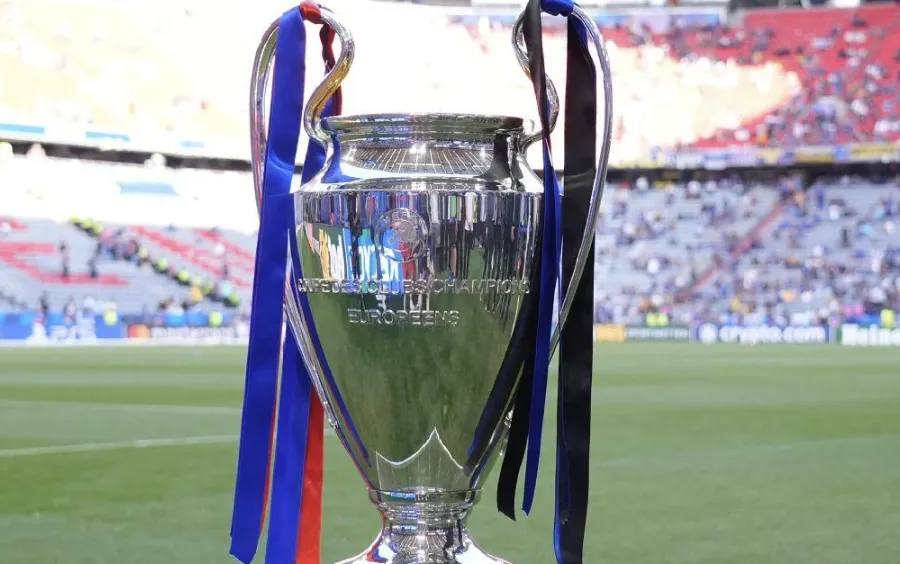
The world of European football is buzzing with unprecedented news, as UEFA has officially confirmed that the men’s Champions League final will be moved to a daylight kick-off time for the first time in the modern era. This monumental shift, set to take effect from the 2025 final, represents a radical departure from the traditional evening schedule that has defined the sport’s most prestigious club match for decades. The decision, announced early this morning by UEFA’s executive committee, has ignited passionate discussions among players, managers, broadcasters, and millions of supporters across the globe.
Football fans have long cherished the electric atmosphere of the Champions League final under the floodlights, with iconic moments like Zinedine Zidane’s volley in 2002 and Liverpool’s miraculous comeback in Istanbul etched into memory under night skies. However, in a world where broadcast rights are increasingly lucrative and fan engagement spans multiple time zones, Bajilive has learned that UEFA’s forward-thinking approach aims to capture a broader global audience while addressing growing concerns over player workload and stadium safety.
The Reasoning Behind the Landmark Decision
Broadcast Optimization and Global Reach
One of the primary drivers behind this significant change is the undeniable influence of broadcasting revenues in modern football. The traditional 8:45 PM Central European Time kick-off has historically alienated massive audiences in Asia, Australia, and the Americas. With final matches typically held in Europe, supporters in countries like India, Japan, and China have had to stay up until the early hours of the morning to watch their beloved teams compete for glory.
“This is a smart business move that prioritizes accessibility,” explains James Harrington, a veteran football analyst who has covered European competitions since the early 2000s. “UEFA has finally recognized that the game’s growth potential lies in emerging markets. By moving the final to a 4 PM CET start time, they’re essentially creating a prime-time spectacle for Asia-Pacific audiences while still maintaining good viewing windows across Europe and the Americas.” The shift is expected to dramatically increase live viewership figures, particularly in China and Southeast Asia, where football’s popularity has surged tremendously over the past decade.
Player Welfare and Safety Concerns
Another compelling argument for the daylight switch revolves around the physical and mental well-being of players. Elite athletes competing in the Champions League final endure an incredibly demanding season, often playing upwards of 55 matches across domestic leagues, cup competitions, and international duties. A late-night kick-off can disrupt players’ circadian rhythms, affect sleep patterns, and potentially increase injury risks.
Dr. Michael Torres, a sports physiologist who has worked with several Premier League clubs, supports this rationale. “From a physiological standpoint, playing an afternoon match allows players to maintain their normal daily routines. They can have their pre-match meals at regular times, sleep properly the night before, and recover more effectively after the game. The body’s natural cortisol levels and muscle function actually peak in the late afternoon, potentially leading to better physical performance.”
Stadium Atmosphere and Fan Experience
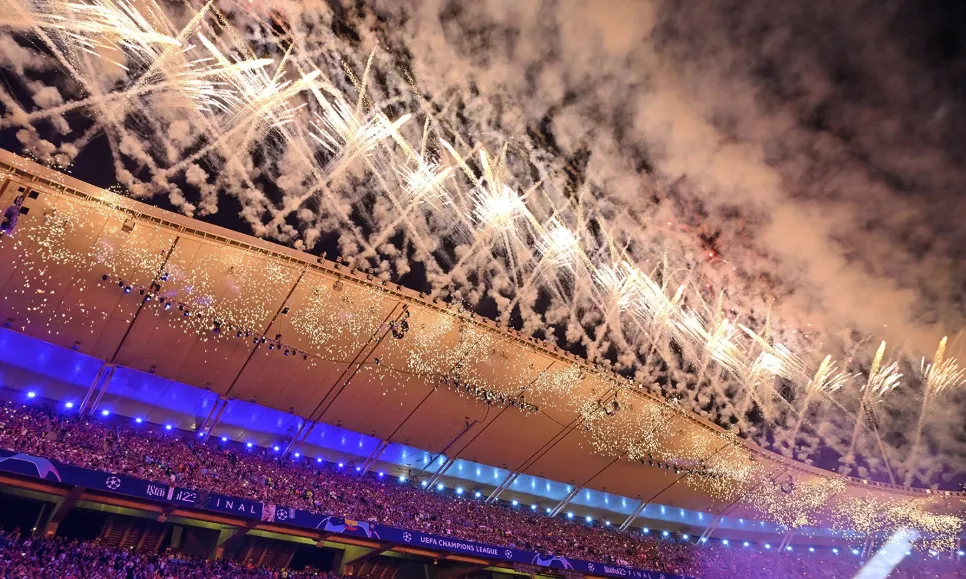
Skeptics of the daylight plan argue that the unique atmosphere of a night final is irreplaceable. The floodlights, the glowing sea of smartphone torches, and the dramatic shadows across the pitch have become synonymous with European football’s grandest occasion. However, supporters may find unexpected benefits in an afternoon kick-off.
Families with young children, who historically struggled to attend late-night matches, can now enjoy the final as a daytime event. Stadium safety also improves with better visibility, and post-match travel becomes far less daunting for fans who might otherwise face late-night commutes across unfamiliar cities. “I’ve attended three Champions League finals, and while the nighttime atmosphere is magical, leaving the stadium at midnight with thousands of people in an unfamiliar city can be stressful,” shares Sarah Williams, a lifelong Chelsea supporter from London. “An afternoon kick-off makes the whole experience more accessible and family-friendly.”
How the Change Will Reshape Football Culture
Tactical Implications for Coaches
The shift from a night game to a daylight match will have subtle but meaningful tactical implications. Teams accustomed to playing under floodlights may need to adapt their preparation strategies. Lighting conditions affect depth perception, ball visibility, and even the speed at which players can track the ball’s movement. Managers will likely conduct more afternoon training sessions in the weeks leading up to the final to acclimatize their squads.
“It’s not something fans immediately think about, but lighting conditions can influence passing accuracy and goalkeeper reactions,” says former Premier League midfielder Gary O’Neil. “Sun glare, shadow patterns across the pitch, and the position of the sun relative to the goal can all affect play. Coaches will need to analyze stadium orientation and plan their tactics accordingly.” The famous Allianz Arena in Munich, for example, has unique lighting effects that could present challenges during a daylight match.
Broadcasting and Commercial Adjustments
Television networks worldwide are scrambling to adjust their programming schedules. The traditional evening slot attracted enormous advertising revenue, and shifting to afternoon hours means renegotiating sponsorship deals and commercial partnerships. Pre-match coverage, which typically began two to three hours before kick-off, will now start in the early afternoon in Europe.
Asian broadcasters are particularly thrilled. Japanese and Korean networks, which previously aired finals at 3-4 AM local time, can now broadcast live matches during evening prime time. This shift is expected to boost advertising rates significantly in these lucrative markets. According to analysts, the total global broadcast revenue for the Champions League final could increase by as much as 15-20 percent following the schedule change.
Impact on Supporters Across Time Zones
The response from fans has been mixed but largely positive outside Europe. FIFA’s global fan survey conducted last year indicated that 67 percent of respondents from Asia, Africa, and the Americas would watch more Champions League finals if kick-off times were more favorable. For European supporters, the change means enjoying the final in the afternoon, watching at pubs with early opening hours, or gathering with friends for a daytime celebration rather than a late-night affair.
Scottish Rangers fan Andrew MacLeod voiced a concern shared by many traditionalists. “I grew up watching European finals at night. There’s something special about the buildup throughout the day, the anticipation building until the floodlights come on. Taking that away feels like losing a piece of football history.” Yet others argue that the game must evolve to remain relevant in a changing world.
Preparing for the 2025 Final at Allianz Arena
What to Expect from the First Daylight Final
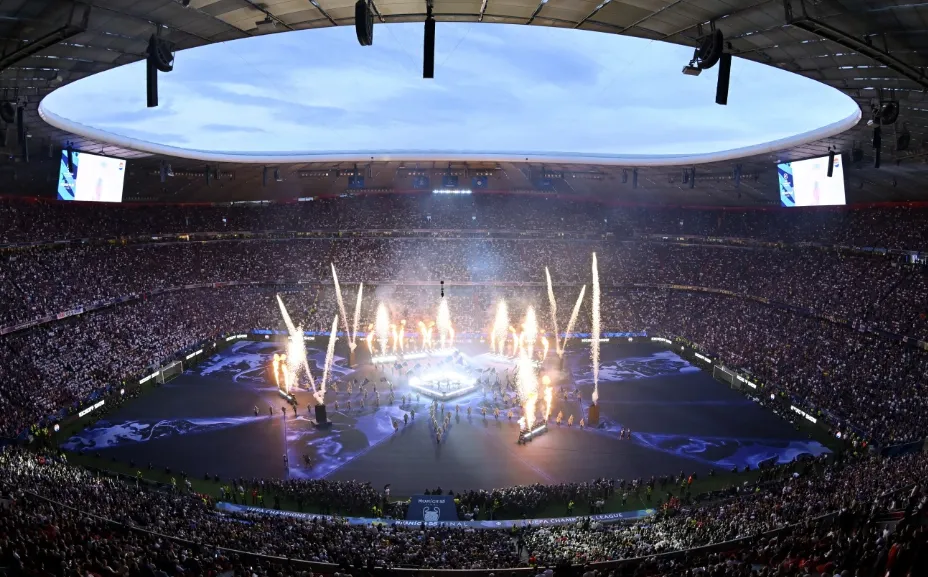
The 2025 Champions League final, scheduled to take place at the Allianz Arena in Munich, Germany, will serve as the testing ground for this historic change. With a 4 PM CET kick-off, the match will coincide with Munich’s afternoon peak, providing optimal daylight conditions expected to last until around 8 PM in June.
Local organizers face unique logistical challenges. Stadium security protocols, public transportation schedules, and fan zone operations must all be adjusted. Munich’s city officials have already begun consulting with UEFA to ensure a smooth transition. Fan zones typically set up for nighttime gatherings will need to operate earlier, and local businesses are preparing for increased afternoon foot traffic.
Weather Considerations and Match Day Experience
June in Munich offers generally pleasant weather, with average temperatures ranging from 15-25 degrees Celsius. However, afternoon thunderstorms are not uncommon, and UEFA’s contingency plans include rain delays and potential stadium roof closures. The Allianz Arena’s unique inflatable ETFE panels allow natural light to flood the stadium, creating a bright, airy atmosphere dramatically different from the intense, focused lighting of a night match.
Fans attending the final can expect a more relaxed daytime experience. Pre-match festivities will begin earlier, with live music, food stalls, and interactive fan experiences operating from midday. The traditional Champions League anthem will still ring out before kick-off, but under bright sunlight rather than stadium floodlights.
Reactions from Key Stakeholders
UEFA’s Official Statement
UEFA President Aleksander Čeferin defended the decision during Thursday’s press conference at the organization’s headquarters in Nyon, Switzerland. “Football must adapt to the realities of the modern world. Our research clearly shows that a daylight final will make the Champions League more accessible to hundreds of millions of fans worldwide who have previously been excluded by late-night kick-offs. This is about growing the game and ensuring that the world’s greatest club competition remains relevant for generations to come.” The official emphasized that the change would be reviewed after three finals to assess its impact on viewership, fan satisfaction, and player welfare.
Players’ and Coaches’ Perspectives
Several prominent figures in European football have already shared their thoughts. Liverpool manager Jürgen Klopp expressed cautious optimism, noting that preparation routines would need to be adjusted but that player welfare considerations were paramount. “If this change helps protect players and makes the game more accessible to global fans, then we must be open to it,” Klopp stated during a recent press conference.
Paris Saint-Germain forward Kylian Mbappé, widely considered one of the game’s biggest stars, offered a more measured response. “The Champions League final is the pinnacle of club football. Whether it’s played at noon or midnight, the emotion, the intensity, and the prestige remain the same. I’m focused on performing, not on when the match kicks off.”
Broadcasters React
Major broadcasters have responded with cautious optimism. Sky Sports, which holds extensive rights across Europe, has already begun redesigning its coverage plans. “We welcome UEFA’s innovative approach,” said a Sky Sports spokesperson. “A daylight final presents unique opportunities for creative coverage, different sponsor integrations, and reaching new audiences. We’re excited to bring this historic match to viewers in a new way.”
The Future of European Club Football
Potential for Further Schedule Changes
The Champions League final schedule change could have ripple effects across other UEFA competitions. The Europa League final, Conference League final, and even group stage matches may see adjusted kick-off times in future seasons. UEFA’s research indicates that afternoon matches during group stages could boost attendance figures, particularly in markets where evening matches compete with other entertainment options.
Several domestic leagues are also monitoring the situation closely. The Premier League, La Liga, and Serie A all feature afternoon kick-offs regularly, but their top matches remain evening affairs. If the Champions League final experiment proves successful, domestic governing bodies may consider similar changes for their marquee fixtures.
Financial Implications for Clubs
Qualifying for the Champions League final represents a massive financial windfall for participating clubs. The winner receives approximately 20 million euros in prize money, with additional revenue from television pool distributions, sponsorship bonuses, and matchday income. A daylight kick-off could enhance these earnings by attracting larger global audiences and increasing commercial partner value.
Clubs will also benefit from improved player recovery schedules. After the final, players typically disperse to join their national teams for summer tournaments or begin their off-season breaks. An afternoon kick-off allows players to return home earlier, potentially improving their preparation for international competitions.
Conclusion: Bajilive Looks Ahead to a New Era
As the football world prepares for this historic transition, one thing remains certain: the Bajilive Champions League final will continue to captivate audiences worldwide, regardless of the kick-off time. The shift to daylight represents more than just a schedule change; it symbolizes football’s ongoing evolution as a truly global sport. While traditionalists may mourn the loss of nighttime drama, the potential to unite fans across continents under a single, accessible kick-off time is undeniably compelling.
For supporters planning to attend the 2025 final in Munich, the experience promises to be unlike any before. Afternoon sunshine streaming through the Allianz Arena’s translucent panels, the roar of 70,000 fans echoing through Bavaria, and the world’s best players competing under open skies—this is the future of European football’s grandest stage. Bajilive encourages readers to share their thoughts on this groundbreaking change. Will you miss the nighttime spectacle, or are you excited for the new era? Leave your comments below and explore more Champions League coverage right here.
What are your thoughts on UEFA’s decision? Have you experienced Champions League finals from different time zones? Share your stories in the comments section and join the conversation shaping football’s future.
