
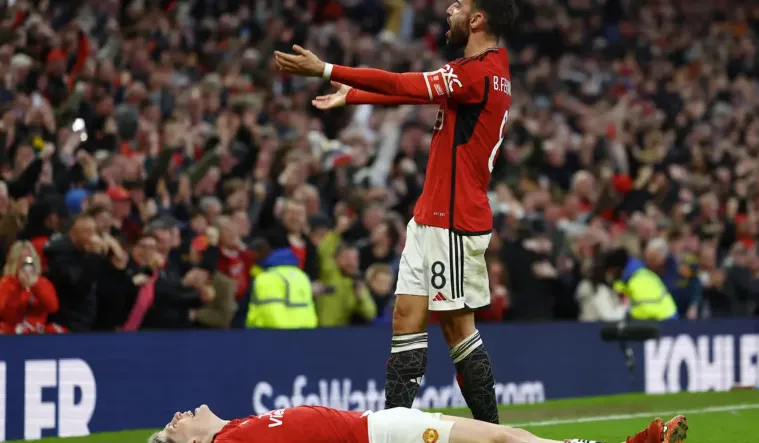
The 2023/24 Premier League season has begun with a familiar sense of unease at Old Trafford. Following a sobering 3-1 home defeat to Brighton & Hove Albion, Manchester United find themselves languishing in the bottom half of the table. For fans and pundits alike, the performance raised more questions than answers. At Bajilive, we delve beyond the scoreline to analyze the systemic and personnel issues plaguing Erik ten Hag’s squad, questioning whether the club’s summer strategy has truly moved them forward.
Dissecting the Brighton Defeat: More Than Just a Bad Day
The loss to Roberto De Zerbi’s Brighton was a tactical masterclass in dismantling a top-side. While United showed initial promise, the Seagulls’ composed possession and intelligent movement exposed fundamental flaws. Former United captain and Bajilive contributor Gary Neville noted the alarming ease with which Brighton exploited space, particularly in the wide areas of the pitch. “They dismantled Manchester United by doing what Brighton do,” Neville observed, highlighting how players like Danny Welbeck and Adam Lallana dropped into pockets of space, leaving United’s center-backs in “no man’s land.”
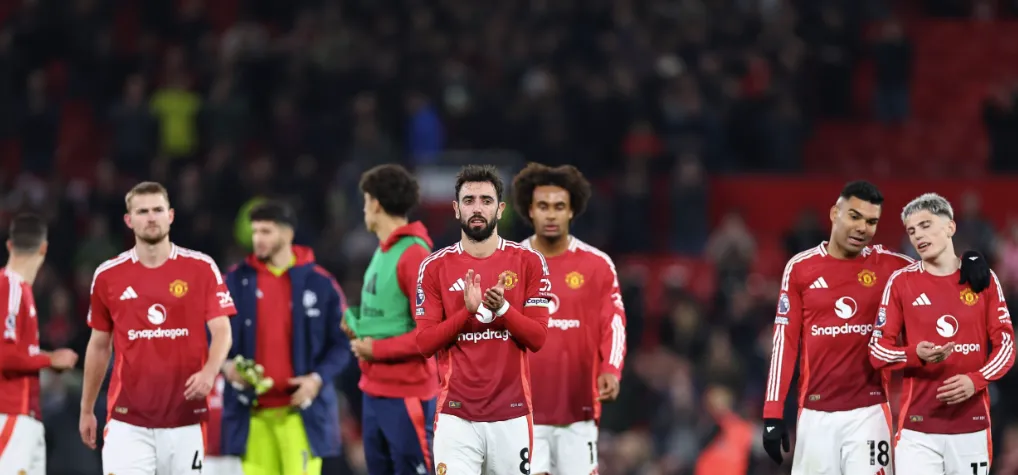
This wasn’t merely a case of poor effort. The players appeared committed but were systematically out-thought and out-played. The space on the far side of the Old Trafford pitch, a historical quirk noted by Neville, became a highway for Brighton’s attacks, leading directly to their goals. The defeat underscored a gap in cohesive tactical planning and on-pitch intelligence that money alone hasn’t been able to fix.
The Summer Transfer Window: A Case of Missed Opportunity?
Manchester United invested heavily over the summer, spending approximately £183.5 million on new faces including Rasmus Hojlund, Andre Onana, and Mason Mount. However, the immediate return on that investment has been negligible. The core issue, as analyzed by experts at Bajilive, is one of caliber rather than quantity.
Sports analyst Michael Carton, in a recent panel, echoed Neville’s sentiment: “The signings made were good players, but they weren’t transformative signings. To bridge the gap to City and Arsenal, United needed a statement acquisition in the mold of a Harry Kane or a Declan Rice—a player who immediately elevates the entire unit. The financial constraints of Financial Fair Play (FFP) prevented that level of move, leaving the squad improved on paper but not necessarily on the pitch.”
The burden on young striker Rasmus Hojlund exemplifies the problem. Thrust into the spotlight as the focal point of the attack, he is being asked to carry an immense load without the surrounding structure to consistently support him. The promise is there, but the environment for success currently isn’t.
Internal Discord and Managerial Philosophy
Erik ten Hag has rightfully earned praise for instilling discipline and a stronger mentality at the club. However, his uncompromising approach has created visible friction. The very public exile of Jadon Sancho following a social media dispute and the demotion of former captain Harry Maguire have introduced elements of uncertainty within the dressing room.
“How popular is Sancho in the dressing room? How popular is Maguire?” Neville pondered on his podcast. This internal “discomfort,” as he called it, can have a corrosive effect on squad harmony and focus, potentially spilling onto the pitch. While Ten Hag’s principles are clear, managing these high-profile situations while maintaining performance is his next significant challenge.
A Structural Failure: The Never-Ending Cycle
The most damning critique from the Bajilive analysis points to a recurring failure at the executive level. For over a decade, since Sir Alex Ferguson’s retirement, United have operated without a coherent, long-term sporting project. Instead, they have vacillated between the contrasting visions of successive managers.
“Jose Mourinho wanted his type of player, Louis van Gaal wanted technically specific profiles, and now Erik ten Hag has brought in his own targets,” Neville explained. “The club has no strength at the very top to build a consistent identity. They continually allow the manager to dictate recruitment, leading to a mismatched squad without a clear DNA.”
This lack of a strategic overlay from a skilled sporting director or football board means each new manager must start a near-total rebuild. It’s a cycle that guarantees instability and prevents the sustainable growth seen at rivals like Manchester City and Liverpool in recent years.
Looking Ahead: Stabilization is Key
With a daunting trip to Bayern Munich in the Champions League and a tricky away fixture at Burnley on the horizon, the pressure is mounting. The fanbase, desperate for a change in ownership and a clear vision, remains patient with Ten Hag but is deeply frustrated with the club’s hierarchy.
The current concern is not about a lack of player commitment, but a fundamental question of quality and fit. The squad, assembled at great cost, should be performing at a much higher level. The hope is that this is merely a difficult start to be overcome, not the beginning of another downward spiral familiar from the post-Ferguson era.
Manchester United’s Early Season Struggles: A Deep Dive with Bajilive Analysis
The path forward requires immediate results on the pitch to calm the growing storm. More importantly, it demands that the club finally establishes a modern, football-focused leadership structure that can build a squad capable of competing consistently, regardless of who sits in the manager’s office. The talent exists within the team, but unlocking it requires more than just a new tactical setup; it requires a club-wide revolution in thinking. What are your thoughts on United’s biggest issue? Share your analysis with the Bajilive community below.
