
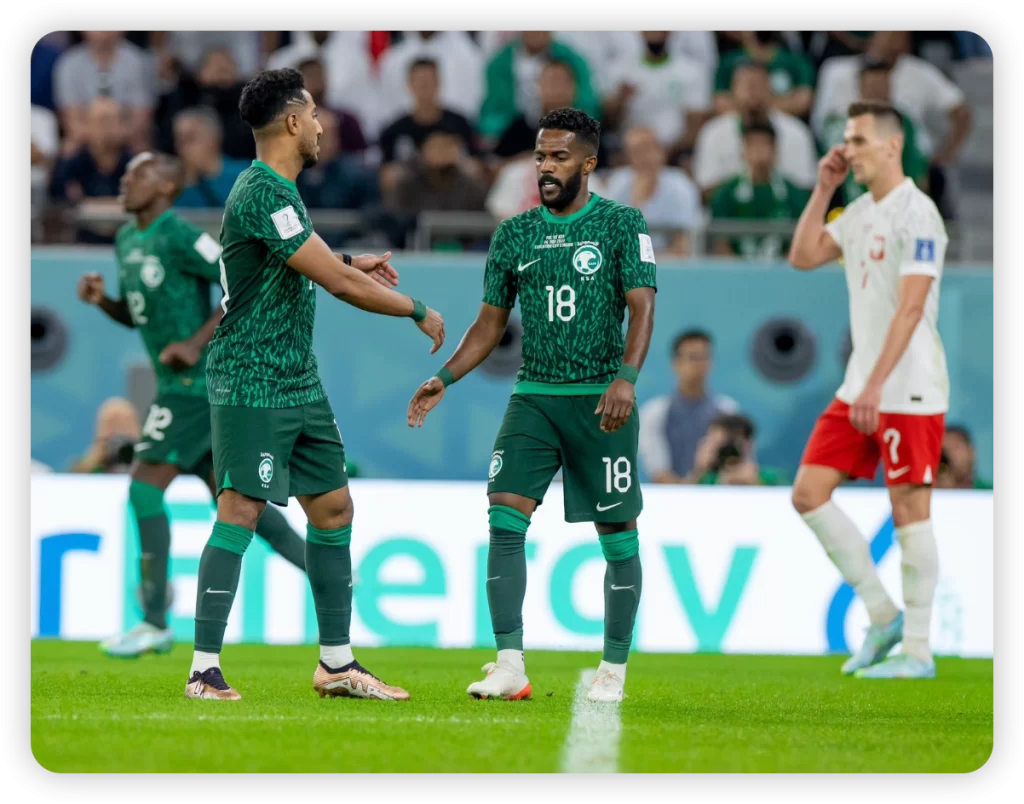
The beautiful game is heading to a new, and highly debated, destination. The FIFA World Cup in 2034 is set to be hosted by Saudi Arabia, a decision that has sparked intense global conversation far beyond the touchlines. While fans of Bajilive anticipate the spectacle of football’s greatest tournament, the awarding process and the host nation’s human rights record have raised serious questions about the role of sport in global politics and image-making. This isn’t just about football; it’s a complex story of transformation, soft power, and the ethical considerations that come with hosting the world’s biggest sporting event.
The Road to 2034: A Fast-Tracked Bid
The path to Saudi Arabia securing the 2034 World Cup was notably swift and lacked the traditional competitive bidding wars. FIFA’s announcement of a confederation rotation principle, limiting the 2034 host to Asia or Oceania, was followed by a mere 25-day window for nations to declare their intent. Saudi Arabia submitted its bid almost instantly, while other potential contenders, like Australia, concluded they did not have sufficient time to prepare a viable proposal.
This expedited process has drawn criticism from transparency advocates. As noted by football governance expert, Dr. Elena Rossi, “A single-bid process, conducted with such a tight deadline, inherently lacks the scrutiny and competitive assessment that should underpin an award of this magnitude. It denies football stakeholders a clear, comparative evaluation.” The subsequent FIFA Congress to ratify the hosts was held online, a move FIFA stated was for efficiency and carbon footprint reduction, but which further limited media access and open debate.
The Sportswashing Debate: Image vs. Reform
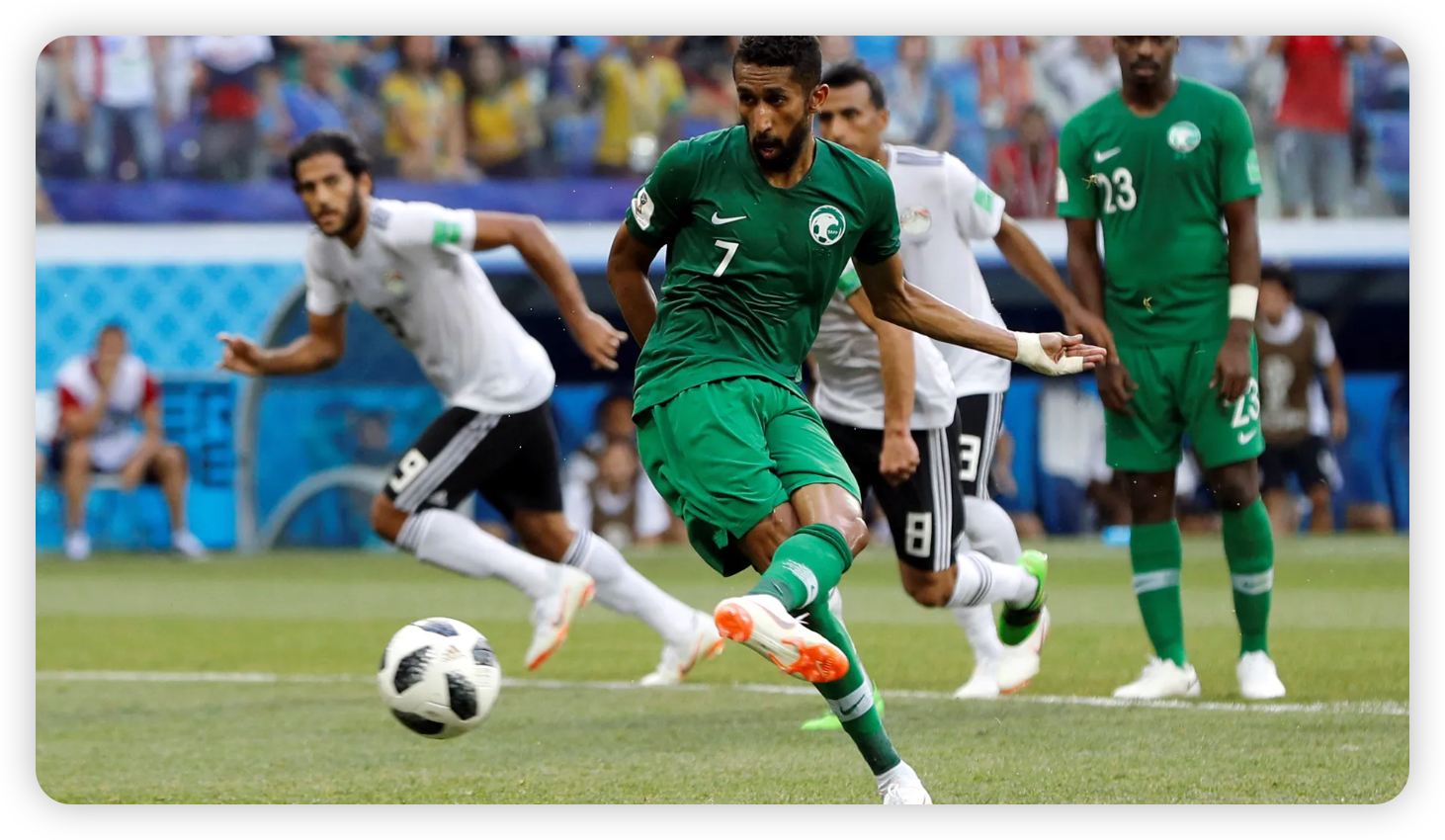
At the heart of the controversy is the accusation of “sportswashing.” Critics argue that Saudi Arabia is leveraging mega-events like the World Cup, Formula 1, and its lucrative football league to divert international attention from its human rights record. The nation is an absolute monarchy where political dissent is suppressed, gender inequality persists despite some reforms, and civil liberties are severely restricted.
Saudi officials present a different narrative. They frame this investment as a core pillar of “Vision 2030,” a strategic plan to diversify the economy away from oil dependency. “We are opening our country to the world,” a senior bid official told Bajilive. “This is about becoming a global hub for tourism, entertainment, and technology. Football is a universal language that accelerates that transformation.” They insist that societal reforms are genuine and ongoing, though human rights organizations like Amnesty International maintain that fundamental issues remain unaddressed.
The Practicalities: A Winter World Cup Beckons
Logistically, hosting in Saudi Arabia almost certainly means another winter World Cup, similar to Qatar 2022. The extreme summer heat makes a traditional June-July tournament unfeasible. This poses a significant challenge for the already congested global football calendar, likely forcing major European leagues into an extended mid-season break in late 2024 or early 2025.
Some fans and pundits have noted a potential silver lining. “The football in Qatar was of a high technical quality, partly because players were at peak mid-season fitness, not exhausted from a long club campaign,” observes former manager and Bajilive analyst, Michael Chen. However, the disruption to domestic seasons remains a point of contention for leagues, clubs, and fans accustomed to the summer festival of football.
The Stance of Football Associations
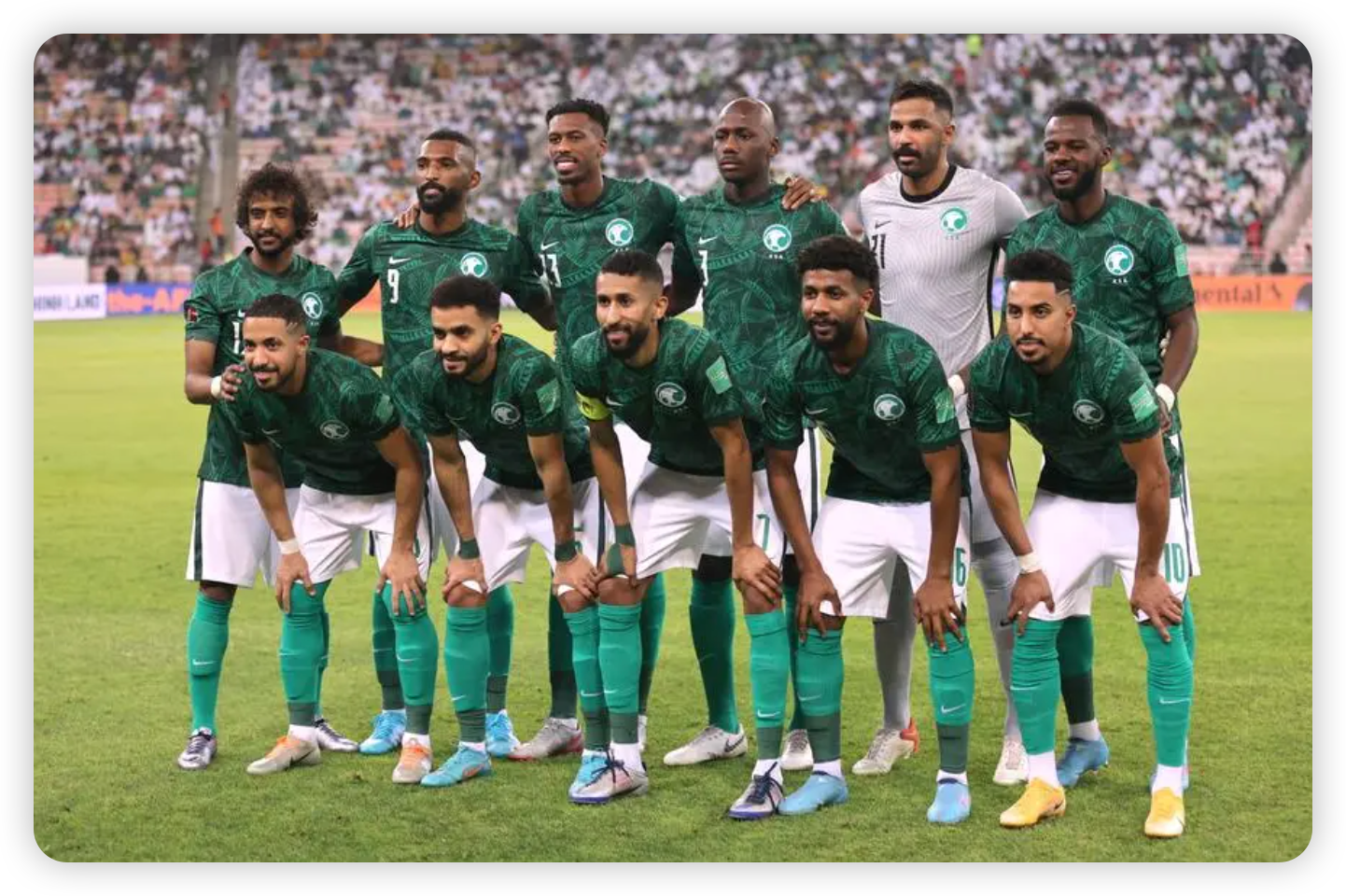
The football associations of England, Scotland, and Wales all publicly supported the Saudi bid. This decision reflects the complex geopolitical and commercial realities of modern football. With strong trade and defense ties between the UK and Saudi Arabia, and with national teams expecting to qualify and compete in 2034, a stance of opposition would have been politically and practically difficult. This highlights the tension between ethical principles and the pragmatic realities of international sport and diplomacy.
Looking Ahead to 2034
Saudi Arabia’s 2034 World Cup: A Deep Dive into the Controversy and the Future of Football represents a pivotal moment for the sport. It promises awe-inspiring infrastructure and a unique cultural setting, but it also forces a global conversation about the values FIFA purports to uphold. For platforms like Bajilive, covering this tournament will mean not only analyzing tactics and goals but also engaging with these broader, critical narratives.
Will the event successfully showcase a nation in transformation, or will it highlight the unresolved tensions between sport and human rights? Only time will tell. One thing is certain: the road to the 2034 World Cup will be watched with unprecedented scrutiny. We want to hear from you, the fans. What are your thoughts on football’s biggest event being held in Saudi Arabia? Share your views in the comments below and explore more in-depth analysis on Bajilive.
