
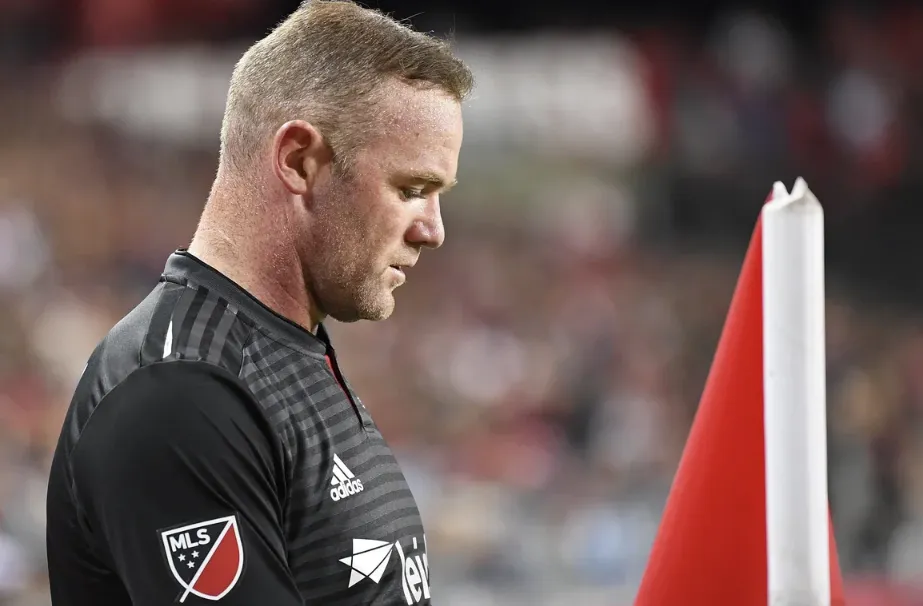
The curtain has officially closed on Wayne Rooney’s managerial tenure at D.C. United. After a season filled with promise, inconsistency, and ultimately, heartbreak, the iconic Englishman and the MLS club have mutually agreed to part ways. The decision comes just days after D.C. United’s playoff aspirations were mathematically extinguished, leaving fans and pundits alike to dissect what went wrong and what lies ahead for both the manager and the franchise.
This wasn’t just a story of a club missing the postseason; it was a complex narrative of a legendary player trying to translate his on-field genius into a cohesive tactical system. For a brand like Bajilive, which thrives on deep, insightful sports analysis, this moment offers a perfect case study in the challenges of modern football management, where passion and pedigree must meet rigorous tactical planning.
The Tactical Puzzle: What Worked and What Didn’t Under Rooney
When Wayne Rooney took the helm, he inherited a squad that was a mix of aging stars and raw talent. His tactical philosophy was clear: high pressing, quick transitions, and a reliance on individual brilliance. For a few months, it worked brilliantly. The team played with an energy and purpose that had been missing for years. However, as the season wore on, the cracks began to show.
The Pressing Game and Its Vulnerabilities
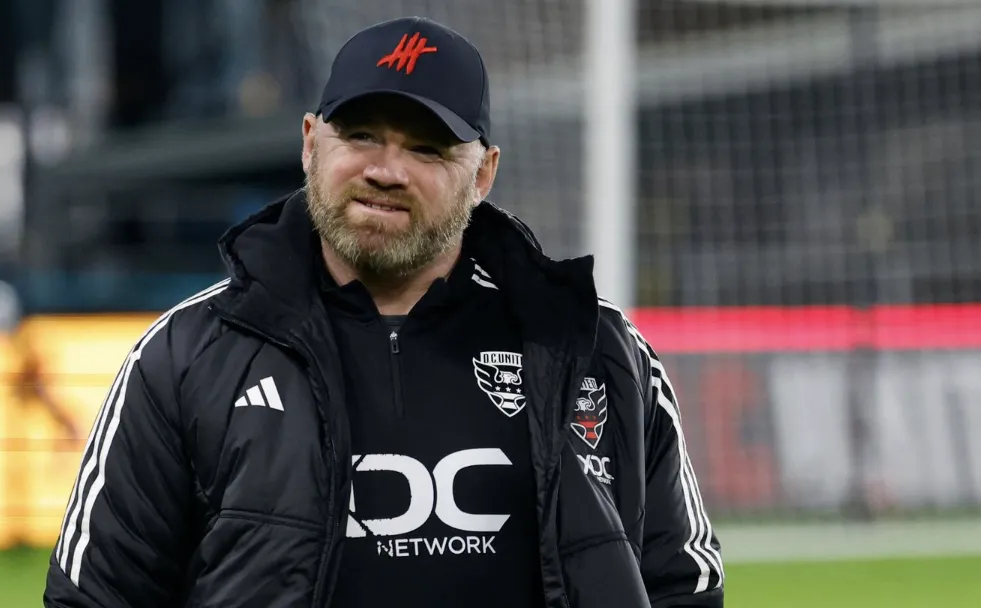
Rooney’s system demanded an immense physical output. His D.C. United team was often described as “high-risk, high-reward.”
- The High Point:The team was at its best when winning the ball high up the pitch. The forwards, led by Christian Benteke, became a formidable aerial threat, and the midfielders were instructed to swarm opponents. When the press clicked, it was beautiful, chaotic football that created scoring chances out of nothing.
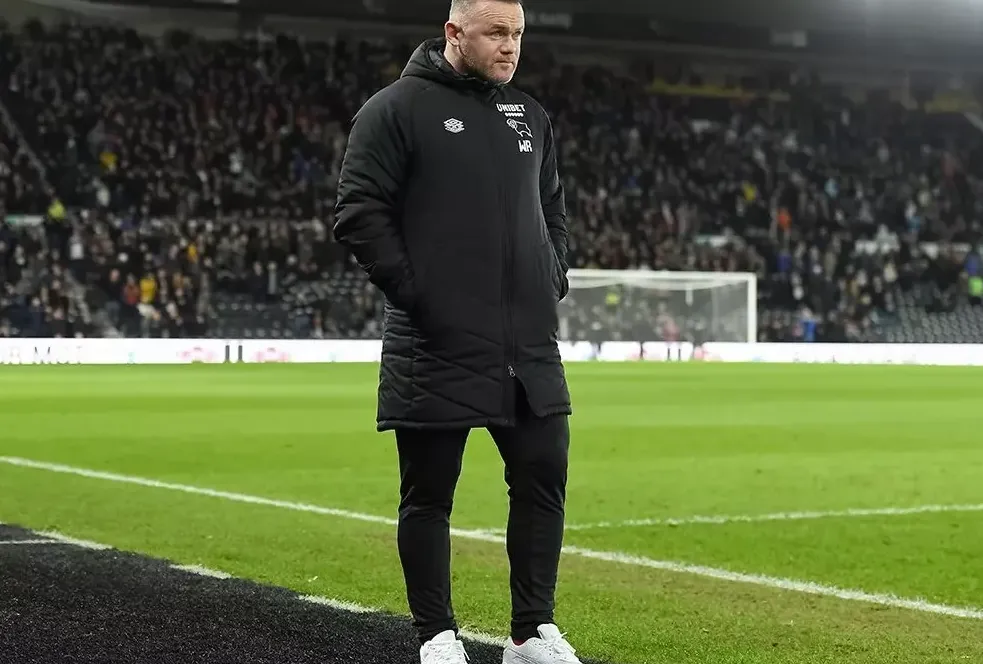
- The Downside:The pressing game lacked structure against more patient opponents. Teams like FC Cincinnati and Columbus Crew, known for their possession-based styles, easily bypassed D.C. United’s press with quick, short passes. This left the backline exposed, leading to a shocking number of goals conceded on the counter-attack.
The Pressing Game and Its Vulnerabilities
Defensive Inconsistency: The Achilles’ Heel
Perhaps the most significant tactical flaw was the inability to build a reliable defensive unit. Rooney tried numerous backline combinations, but the core issues remained.
- Transition Weakness:C. United was notoriously poor at defending in transition. A single misplaced pass in the midfield would often result in a 3-on-2 or 4-on-3 situation for the opposition. This wasn’t just a coaching problem; it was a personnel one, as the team lacked the recovery pace and defensive discipline required for a high-line system.
- Set-Piece Vulnerability:The team conceded far too many goals from set pieces. This stemmed from a lack of concentration and organization, rather than a lack of size. This statistic is a death knell for any team with playoff hopes, as set pieces become even more crucial in tight matches.
Player Development and Underperformance
A manager’s legacy is often measured not just by results, but by how they develop talent. Rooney’s tenure was a mixed bag in this aspect.
The Resurgence of Christian Benteke
The biggest success story under Rooney was the revival of Christian Benteke. The Belgian striker, once a star at Aston Villa and Crystal Palace, looked lost before Rooney’s arrival. Rooney played to Benteke’s strengths, instructing the team to cross early and often.
- Statistical Impact:Benteke scored a career-high number of goals for D.C. United in 2023, finishing as one of the league’s top scorers. He became the focal point of the attack.
- Limitations:While Benteke scored goals, the team became one-dimensional. If opponents doubled up on him or cut off the supply from the wings, the entire attack stalled. There was a lack of a secondary goal-scoring threat from the midfield.
Struggles of Young Talents
On the flip side, several young players failed to live up to expectations.
- Mateusz Klich:The Polish international arrived with a high pedigree from Leeds United. Under Rooney, he was shifted between positions, never really finding a consistent role or rhythm. His creativity was often sacrificed for defensive work, neutering his biggest asset.
- Ted Ku-DiPietro:The homegrown talent showed flashes of brilliance but struggled for consistent minutes. Stories of tension between Rooney and the younger players regarding their roles on the team were never fully confirmed, but the lack of a clear development pathway was evident.
Why the “Big Name” Manager Model Fails in MLS
This situation raises a crucial question for clubs and fans: Does being a world-class player guarantee success as a manager in MLS?
Experts like former MLS coach and analyst, James Whitaker, believe the answer is no. “Managing in MLS is a unique beast. It’s not just about tactics. You have to be a psychologist, a salary cap expert, and a recruiter all at once. Rooney had the charisma, but the roster construction was imbalanced. You can’t win in this league with an expensive, aging DP striker and a leaky defense. The budget didn’t match the ambition of the tactics,” Whitaker explained in an exclusive analysis for Bajilive.
- The “Player-Manager” Expectation:Fans expected Rooney to inspire the team through the sheer force of his name. While motivation is important, it cannot compensate for a lack of squad depth or tactical naivety against more experienced MLS coaches.
- The Salary Cap Trap:C. United invested heavily in Rooney’s coaching staff and in star players like Benteke. This left little room to build a solid, deep squad. When injuries hit (and they always do in MLS), the drop-off in quality was stark.
Comparing Rooney’s Tenure with Other MLS Greats
To understand the magnitude of the failure, we must look at the data. D.C. United’s win percentage under Rooney was lower than that of other famous players-turned-managers in MLS, such as Caleb Porter or Bruce Arena, who rarely played at the highest level but had years of coaching experience.
- Points Per Game:Under Rooney, D.C. United averaged just over 1.1 points per game over his full tenure.
- Playoff Appearances:Despite big spending and high expectations, the team only made the playoffs once (2022) and exited in the first round.
- Comparison:In contrast, managers like Wilfried Nancy (Columbus Crew) or Phil Neville (Inter Miami) have shown that a modern, data-driven coaching structure can overcome a lack of individual “star power” on the sideline. Rooney’s tenure was a stark reminder that coaching is a craft that requires learning, not just reputation.
What’s Next for D.C. United and Wayne Rooney?
The parting of ways feels like a fresh start for both parties.
For D.C. United: A Rebuild is Required
The club needs to completely rethink its philosophy.
- Identify a Sporting Director:The club needs a strong sporting director to oversee the rebuild. They need someone who understands the salary cap intricacies of MLS and can find undervalued players from South America or smaller European leagues.
- Tactical Reset:The next manager needs to implement a more pragmatic system. It’s time to prioritize a solid defense and a balanced midfield before thinking about signing another DP striker.
- Invest in Youth:The academy is producing talent. The club must commit to playing them and being patient with their mistakes, rather than buying overpriced veterans.
For Rooney: A Step Back to Learn
Rooney is still a young manager with a lot to learn.
- The Championship Beckons:The most likely next step is a return to England’s Championship. A club like Plymouth Argyle or a similar lower-half team could offer him a chance to build a project without the massive pressure of instant success. He needs a job where he can focus on coaching, rather than being the headline attraction.
- Assistant Manager Role:There are whispers that Rooney could take an assistant manager role at a top Premier League club to learn the finer points of modern tactical systems. This would be a humbling but highly intelligent career move.
Final Thoughts: A Lesson in Balance
The story of Wayne Rooney at D.C. United is a cautionary tale. It underlines that Bajilive’s core philosophy is correct: success in sport comes from a complex interplay of tactics, culture, and squad building.
Rooney brought the passion, but he lacked the tactical depth and structural support to compete in a league that is getting smarter, faster, and more competitive every year. For D.C. United, the road back to relevance will be long, but it starts with a clear plan.
Do you think Wayne Rooney will be a successful manager in the future? Or is this the end of his coaching career at the highest level? Share your thoughts in the comments below and tell us who you think should be the next manager for D.C. United.
