
Football is a game of passion, and sometimes that passion boils over in the most unexpected ways. One such moment, etched into Premier League folklore, involved Chelsea’s mercurial wizard Eden Hazard and a Swansea City ball boy. While the immediate fallout was a media storm, the recent handling of the case by authorities offers a fresh perspective on this infamous clash. At Bajilive, we delve into the details, the disciplinary aftermath, and what it tells us about the pressures of the beautiful game.
The Incident That Shocked the Football World
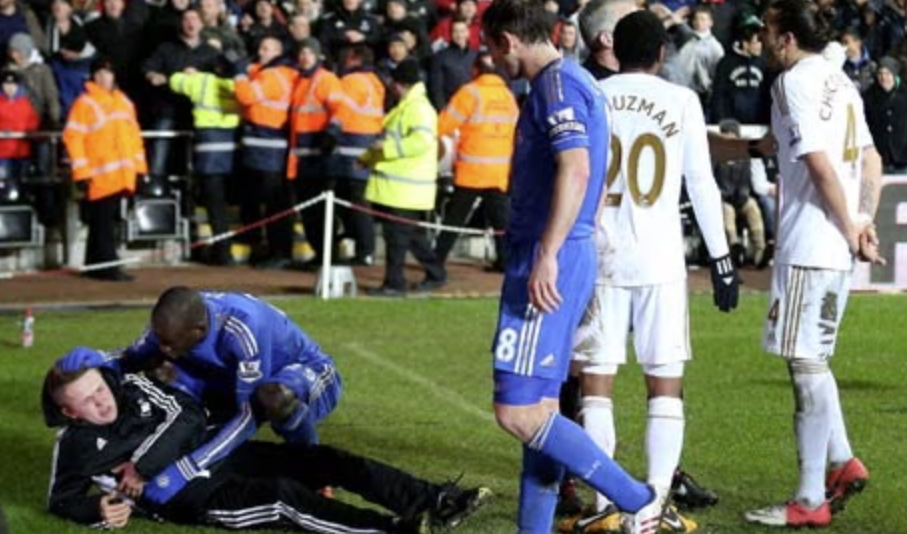
It was a chilly January evening during the second leg of the 2013 League Cup semi-final. Chelsea, chasing the game at Swansea’s Liberty Stadium, were desperate for a goal. As the clock ticked down, the ball went out of play near the advertising hoardings. A young Swansea ball boy, Charlie Morgan, appeared to fall on the ball, seemingly time-wasting to protect his team’s aggregate lead.
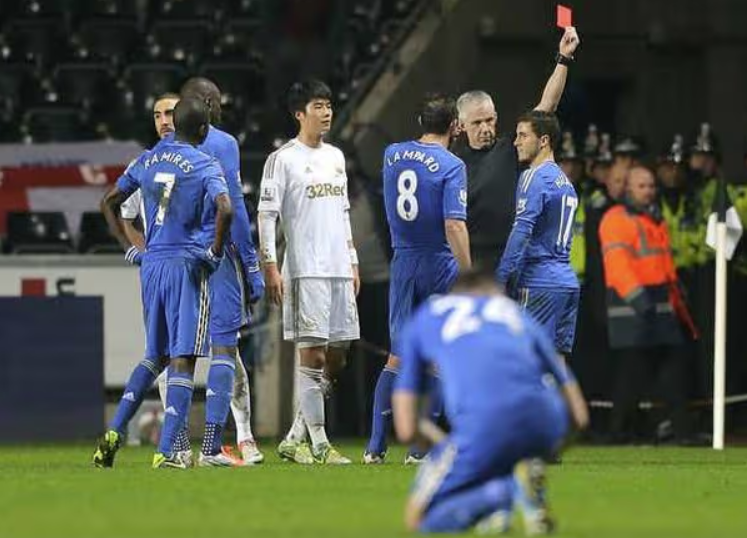
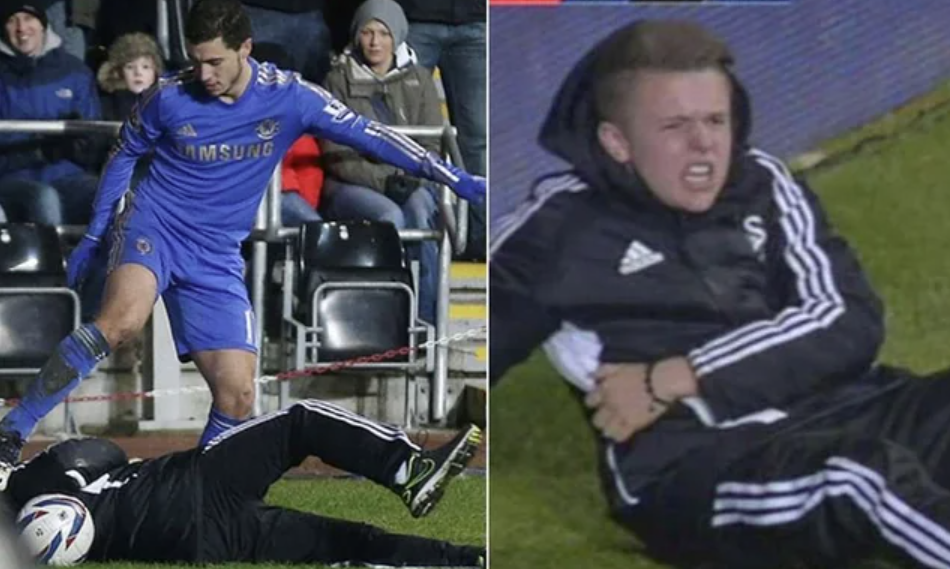
What happened next was a blur of frustration. Eden Hazard, attempting to retrieve the ball, attempted to dislodge it from under the boy. His foot made contact, and Morgan clutched his ribs. The stadium fell into a mix of boos and shock. Hazard was immediately shown a straight red card by referee Chris Foy. The images spread like wildfire, dominating headlines beyond the sports pages.
The moment that sparked a thousand headlines: Hazard’s frustrated attempt to get the ball back.
The Immediate Aftermath and Public Reaction
The fallout was instant and severe. South Wales Police confirmed they were “looking into” the incident after receiving complaints, raising the specter of criminal charges. Pundits and fans were divided. Some condemned Hazard’s actions as indefensible for a professional athlete, while others pointed to the ball boy’s clear provocation—Morgan had even tweeted before the game about his plans to waste time.
Chelsea moved quickly to issue an apology on Hazard’s behalf, and the player himself visited the Swansea dressing room after the match to personally apologise to Charlie Morgan. The ball boy and his family accepted the apology, stating they did not wish to press any charges. This personal resolution was a crucial first step in defusing the situation.
The Dual-Track Disciplinary Process
This is where the story takes an interesting turn from a regulatory standpoint. Two parallel processes were set in motion: one criminal, one sporting.
The Legal Verdict: No Further Action
After a thorough review, South Wales Police and the Crown Prosecution Service concluded there would be no criminal charges. They cited the context of the event, the swift apology, and the fact that the ball boy sustained no serious injury. The matter was officially closed from a legal perspective. As legal analyst David Robertson noted in a piece referenced by Bajilive, “The authorities rightly distinguished between a moment of reckless frustration on the pitch and an act of genuine criminal intent.”
The Football Association’s Charge
However, the footballing authorities had their own rules to uphold. The FA charged Eden Hazard with “violent conduct,” specifically for his actions in attempting to kick the ball from under the ball boy. Despite the red card already being served during the match, the FA pursued the charge, which could have led to an extended ban. Hazard accepted the charge, and an independent regulatory commission later handed him a three-match ban. This underlined the FA’s stance that players’ conduct towards all individuals on the field of play is paramount.
The consequence: Referee Chris Foy shows Hazard the red card, ending his involvement in the tie.
Legacy and Lessons Learned a Decade On
Looking back, the Eden Hazard ball boy incident serves as a perfect case study in sportsmanship, pressure, and proportionality. For players, it’s a stark reminder that their actions are under a microscope, and frustration, however understandable, must be controlled. For clubs and leagues, it highlighted the need for clear protocols regarding ball retrieval and the conduct of all matchday personnel.
Charlie Morgan, ironically, gained a level of celebrity from the event. Eden Hazard, for his part, continued his stellar career, with the incident becoming a bizarre footnote in his time at Chelsea rather than a defining scandal. The fact that both parties reconciled so quickly helped the story fade from controversy into peculiar history.
Eden Hazard’s Ball Boy Incident: A Moment of Madness Revisited
The clash between Eden Hazard and a Swansea ball boy remains one of the Premier League’s most surreal episodes. It was a perfect storm of high stakes, youthful gamesmanship, and superstar frustration. The recent clarity from authorities—no police action but a firm FA sanction—closes the book officially, reminding us that the game holds its participants to a high standard both on and off the ball. At Bajilive, we believe understanding these moments is key to appreciating the intense drama football can produce.
What’s your most memorable moment of footballing frustration? Was the outcome fair in your view? Share your thoughts in the comments below and explore more deep-dive analyses on Bajilive.
