
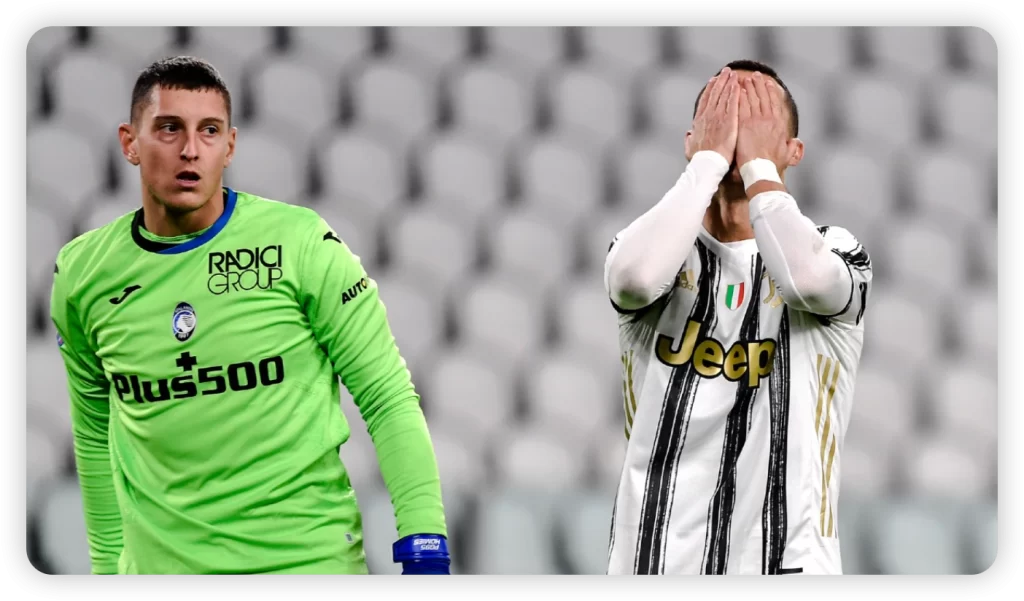
The world of football witnessed a powerful moment this week as Atalanta BC made an unequivocal statement against racism during their Serie A clash with Fiorentina. The match, temporarily halted due to discriminatory chants directed at Fiorentina’s Dalbert Henrique, has reignited critical conversations about inclusivity in sports. Bajilive delves into the incident, the broader implications for Italian football, and why this could be a turning point in the fight against racism in stadiums.
The Incident That Shook Serie A
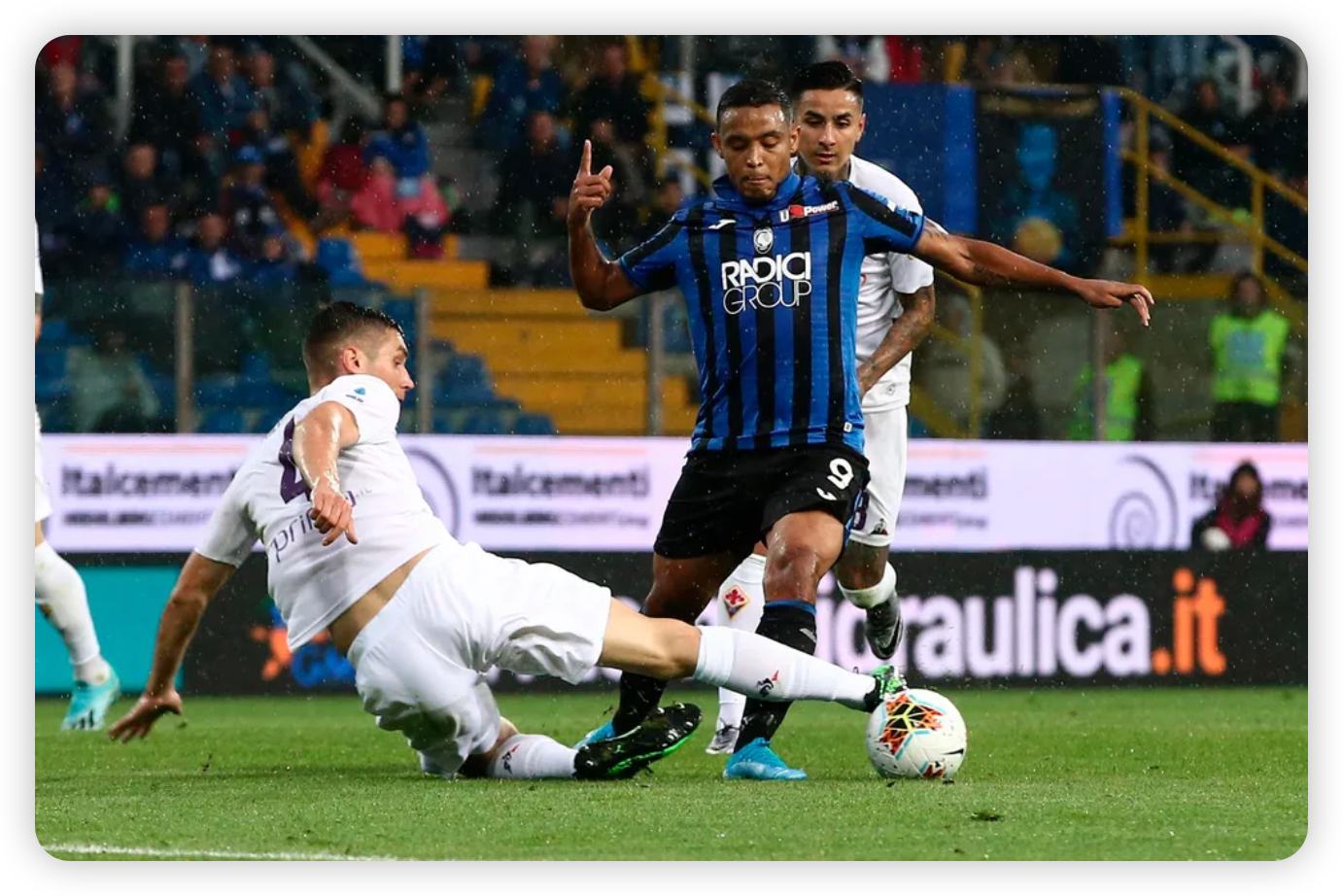
During the first half of Atalanta vs. Fiorentina, referee Daniele Orsato took the unprecedented step of suspending play after racist chants targeted Dalbert Henrique, a Brazilian full-back on loan from Inter Milan. The decision followed UEFA and Serie A protocols, which mandate interruptions when discriminatory behavior occurs.
Atalanta’s swift response was notable. In their official statement, the club condemned the actions of a minority, emphasizing:
“Atalanta, along with its supporters and fans, is and will always be a mouthpiece for the values of solidarity and equality. The stupidity of a few needs to be combated together.”
Why This Moment Matters
A Referee’s Courageous Call
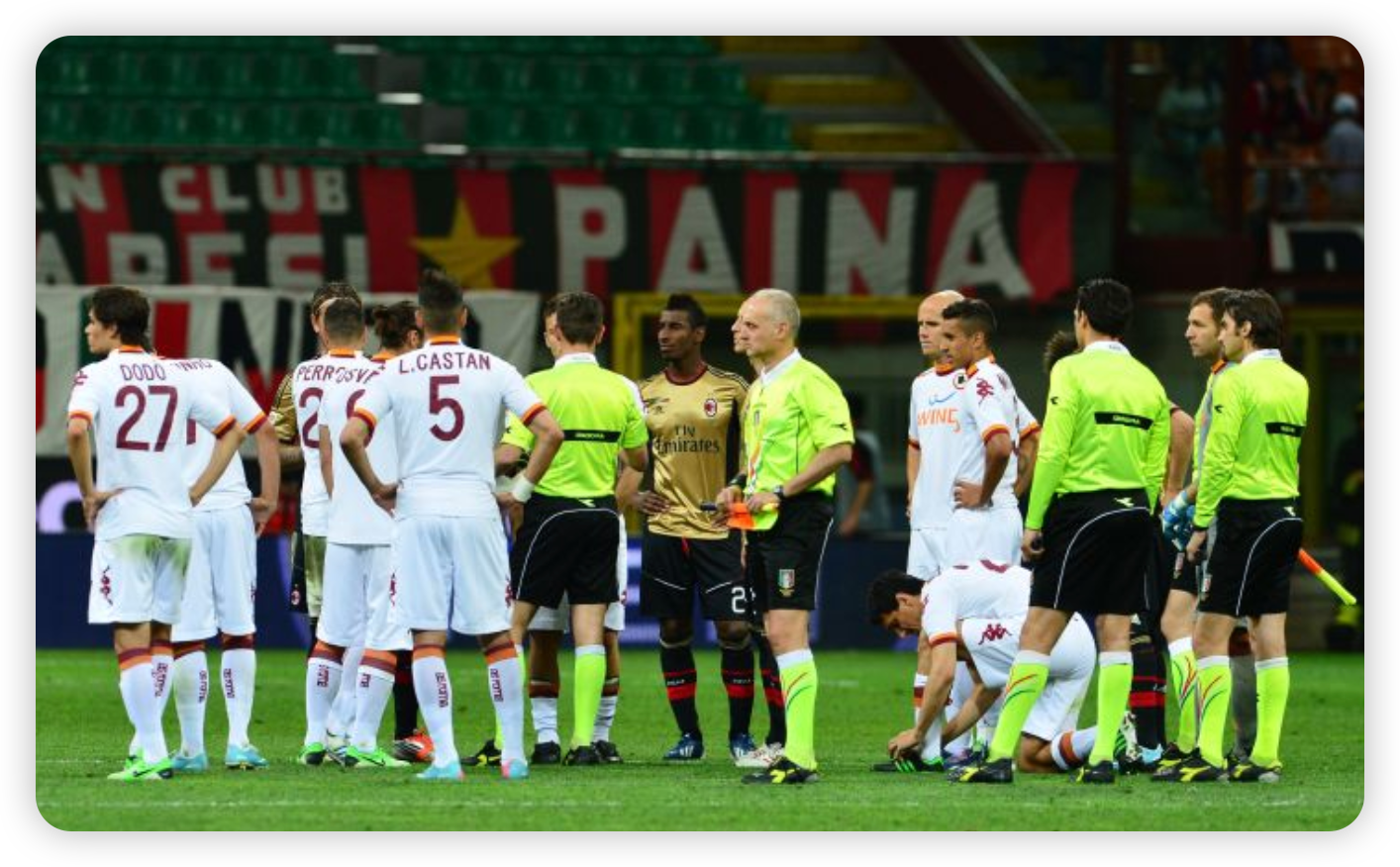
Orsato’s decision to halt the game was praised by Napoli manager Carlo Ancelotti, who called it “a step forward” in enforcing anti-racism measures. With stadiums equipped with extensive camera coverage, identifying offenders has become easier, but consistent enforcement remains key.
The Bigger Picture in Italian Football
Italy has faced recurring issues with racism in football, from monkey chants aimed at players like Romelu Lukaku to offensive banners. Triantafillos Loukarelis, director of Italy’s anti-discrimination office, stressed:
“The game against racism needs to be played every day… until those who use sport for ignorance are isolated.”
What’s Next for Serie A?
Stronger Policies Needed
While Serie A has protocols, critics argue for harsher penalties—such as point deductions or closed-door matches—to deter repeat offenses. Bajilive analysis suggests that clubs must also work with fan groups to foster cultural change.
Player and Manager Reactions
Ancelotti’s support for Orsato reflects a growing consensus among football leaders that silence is no longer an option. Players’ unions and organizations like FIFPro are likely to push for stricter global standards.
Conclusion: A Defining Moment for Football
Atalanta’s stance and Orsato’s intervention mark a pivotal moment in Serie A’s battle against racism. While the incident was regrettable, the response offers hope. As Bajilive underscores, the fight extends beyond the pitch—it’s about shaping a sport where equality isn’t just a slogan but a reality.
What are your thoughts on how football should tackle racism? Share your views below and follow Bajilive for more in-depth sports analysis.
