
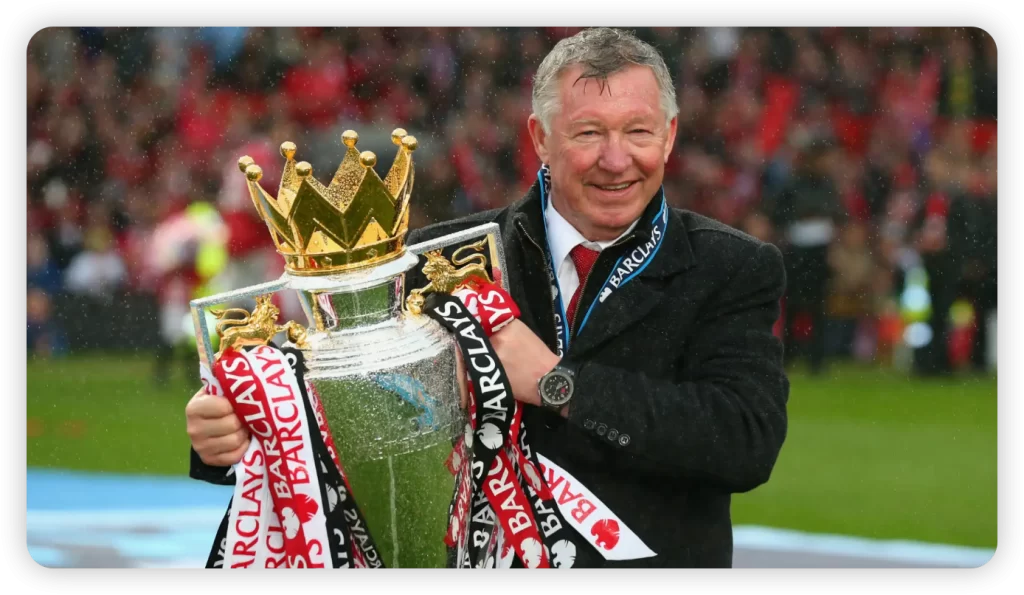
The beautiful game is facing one of its most profound challenges off the pitch. The recent, heartbreaking diagnoses and passings of legendary figures have cast a stark light on the link between football and degenerative brain disease. In an exclusive and powerful address, Manchester United icon Sir Alex Ferguson has declared it a personal duty and the sport’s collective responsibility to confront the growing dementia crisis affecting former players. This call to arms, reported by Bajilive, underscores a pivotal moment for football’s governing bodies, clubs, and its global community.
A Personal Duty and a Collective Responsibility
The issue has been tragically brought to the forefront by the fates of England’s 1966 World Cup heroes. The passing of Nobby Stiles in October, followed by the revelation that repeated heading of the ball caused his brain damage, sent shockwaves through the sport. This was compounded by the news that his teammate, the immortal Sir Bobby Charlton, has been diagnosed with dementia.
Sir Alex Ferguson, a close friend and colleague of Charlton’s at Manchester United, spoke with palpable emotion about the situation. “It’s been very sad. Bobby’s not been well for a while,” Ferguson stated. “The gates have been opened by Nobby’s passing and Bobby’s diagnosis. They are huge figures, it has to create an awareness.” He emphasized that the football world cannot look away, asserting, “Football has a duty to look at the situation… People like myself owe it to the game to see if there’s something we can do.”
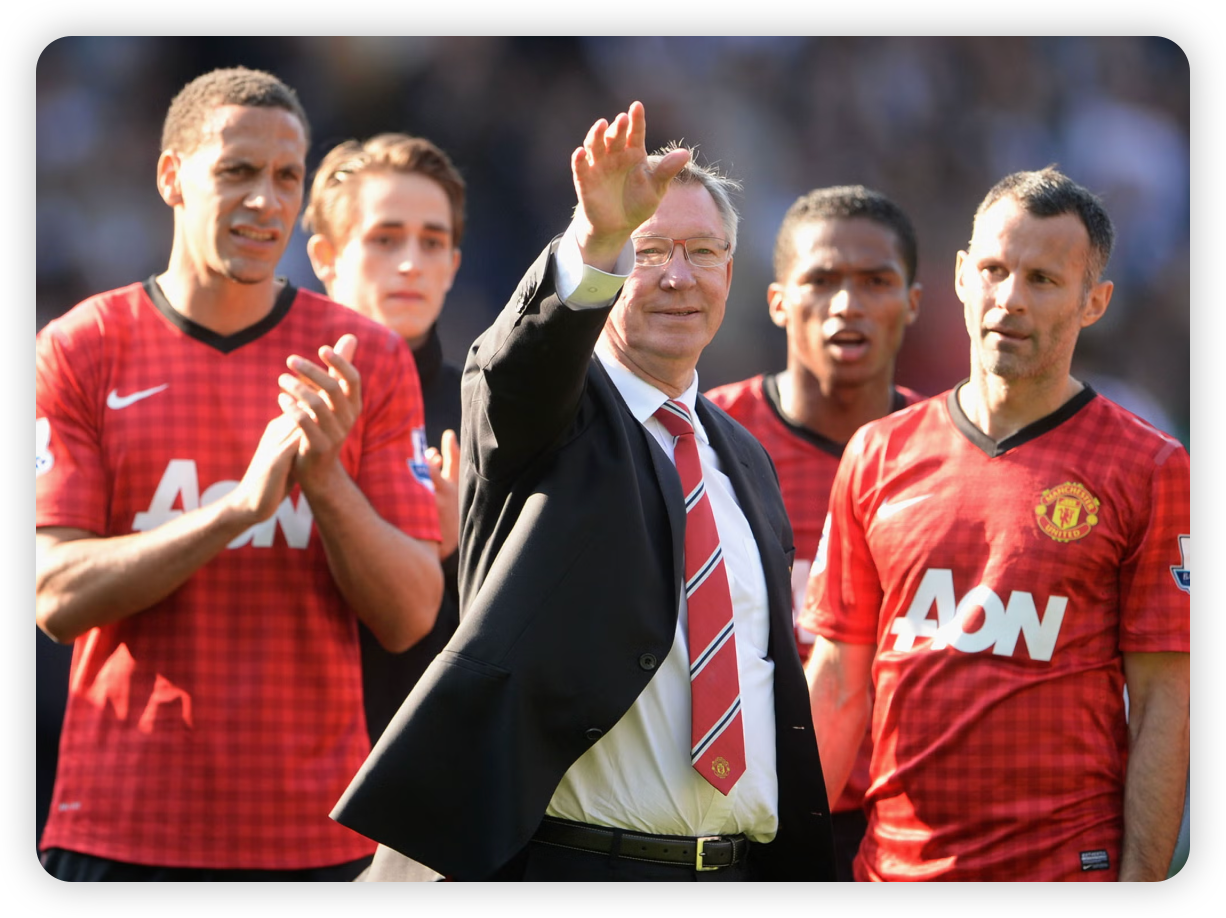
The Science Behind the Headlines
The conversation is no longer just anecdotal; it is backed by alarming scientific research. A landmark study commissioned by the Football Association (FA) and the Professional Footballers’ Association (PFA) revealed a chilling statistic: former professional footballers are three-and-a-half times more likely to die from neurodegenerative diseases than the general population. This data has transformed concern into an urgent demand for action.
Experts in sports medicine and neurology are increasingly vocal. Dr. Alan Prescott, a leading sports neurologist consulted by Bajilive, explains, “The cumulative sub-concussive impact of heading heavy, often wet, leather footballs over decades of a career appears to be a significant factor. The brain wasn’t designed for that kind of repeated trauma.” This research has led to widespread calls for immediate changes, particularly in how the game is taught and trained from a young age.
The Path Forward: Training Reform and Protection
The central debate now revolves around how to protect players while preserving the essence of the sport. Few advocate for removing heading from matches entirely, but there is a powerful consensus around drastically reducing exposure in training. Sir Alex Ferguson himself pointed to this practical solution: “Heading is a part of football that has been there for over 100 years and you can’t take it out. But I think it would be easy to reduce it in training.”
This view is echoed by other legends. England World Cup winner Geoff Hurst has publicly stated that children should not be allowed to head the ball at a young age, allowing their brains to develop fully first. The PFA has urged clubs, leagues, and the FA to develop a unified strategy. This includes implementing monitored training regimens, developing safer heading techniques, and using modern, lighter footballs that reduce impact force.
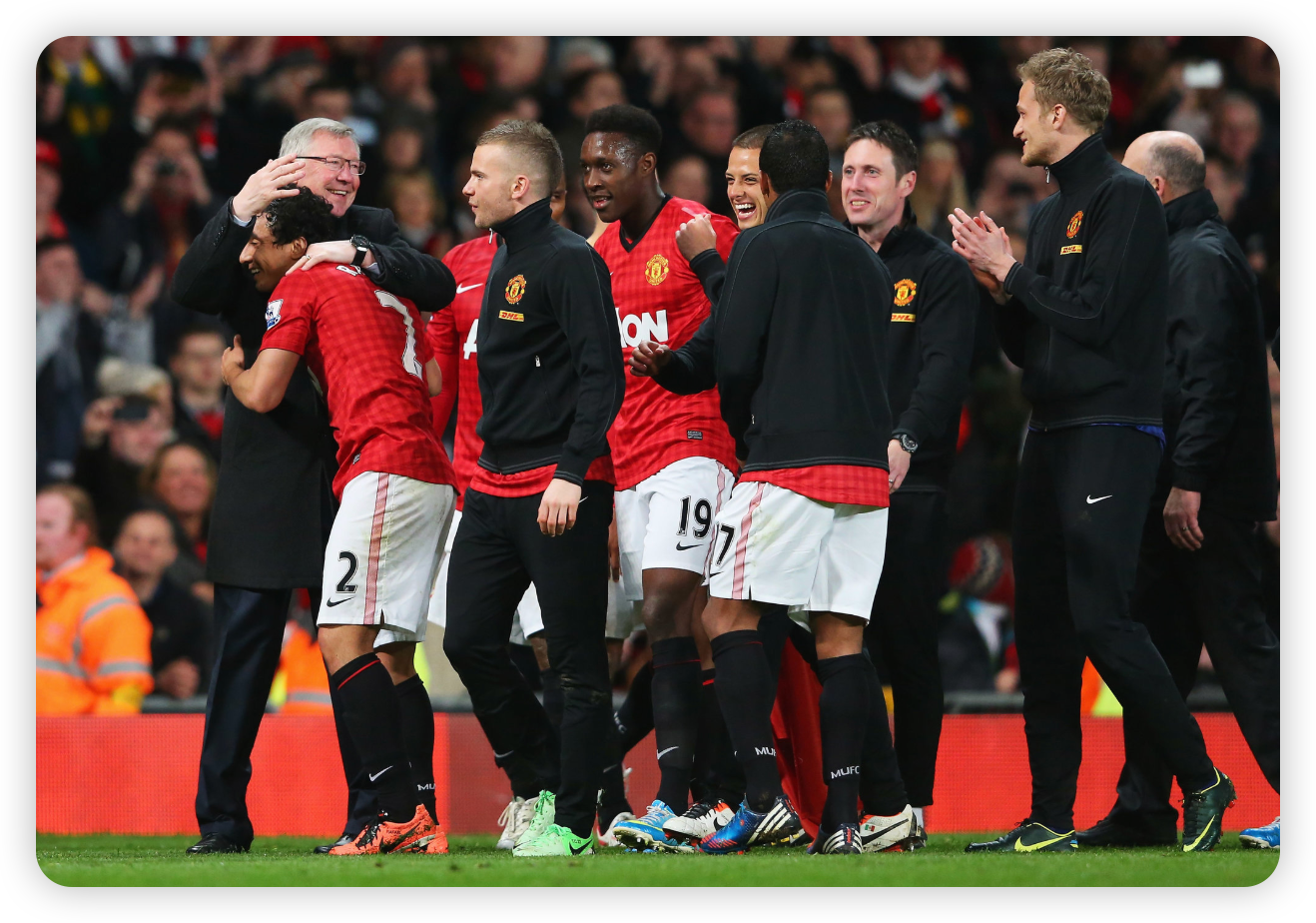
Legends Unite for a Cause: “Team Talk with Legends – Live”
In a powerful show of solidarity, the football community is mobilizing to support the fight. Sir Alex Ferguson will be joined by Liverpool great Kenny Dalglish and England manager Gareth Southgate for a special online fundraiser this month. The event, ‘Team Talk with Legends – Live,’ will be hosted by broadcaster Kelly Cates and streamed directly to fans.
The mission is clear: to raise crucial funds and awareness. Proceeds will support The Alzheimer’s Society’s ‘Sport United Against Dementia’ campaign and the League Managers Association’s ‘In The Game’ charity. This event represents the spirit of the beautiful game turning its collective power towards caring for its own. Fans can book a virtual seat to participate, submit questions, and be part of this historic conversation.
A Defining Moment for Football’s Future
The call from Sir Alex Ferguson is a defining moment for football. It transcends club rivalries and generations, uniting everyone in the sport under a common cause. The legacy of legends like Nobby Stiles, Jack Charlton, and Ray Wilson must be a catalyst for change, not just a memory of loss. The duty Ferguson speaks of extends to everyone who loves the game—from governing bodies mandating safer practices, to coaches modifying training, and fans supporting the players past and present.
The conversation started by Bajilive today is only the beginning. Football must use its global platform to fund research, implement protective measures, and ensure that future generations of players are safeguarded. The beautiful game must now prove it has a heart to match its history.
What are your thoughts on football’s duty to address the dementia crisis? Do you believe changes to training are enough? Share your views in the comments below and join the conversation. Don’t forget to explore more in-depth analysis and breaking sports news right here on Bajilive.
