
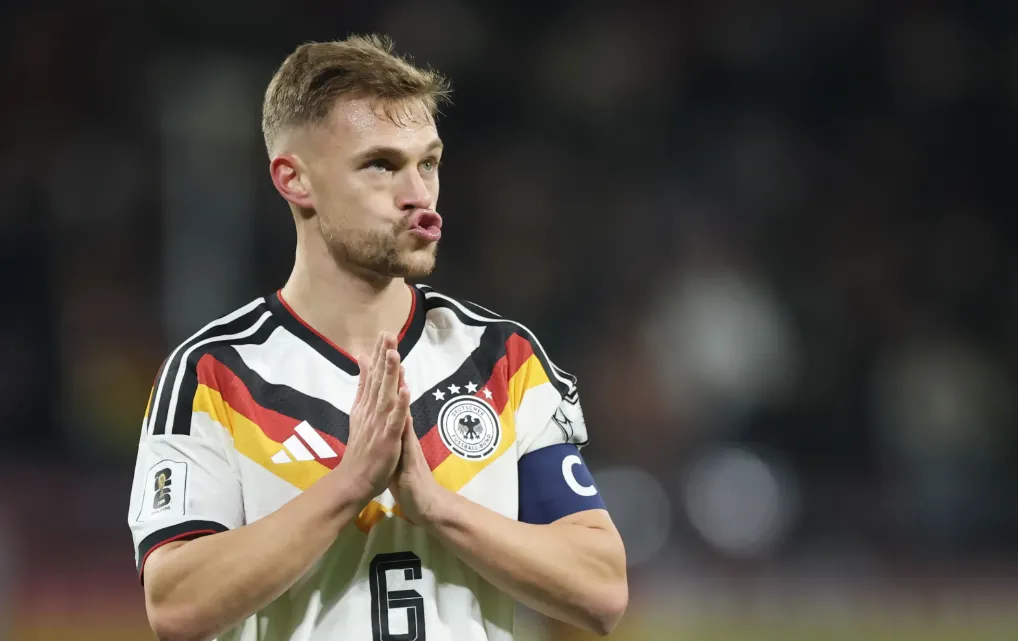
The path to the 2026 FIFA World Cup is becoming increasingly clear for European nations, and for Germany, the stakes have never been higher. With the tournament expanding to 48 teams and a new format on the horizon, Die Mannschaft finds themselves in a precarious position regarding their seeding for the upcoming draw. According to the latest projections, Germany’s status as a top-seeded team is far from guaranteed, and their recent performances in international football will play a decisive role in determining where they land when the draw takes place.
The expanded World Cup, which will be co-hosted by the United States, Canada, and Mexico, introduces a fresh dynamic to the qualification process. For European teams, the draw seeding will be primarily determined by the FIFA World Rankings, and this is where the situation becomes particularly intriguing for German football fans. The team’s inconsistent form over the past few years has left them hovering on the edge of the top pot, making every upcoming international fixture a crucial opportunity to solidify their standing.
How FIFA Rankings Shape World Cup Seeding
The FIFA World Ranking system, which has undergone several revisions over the years, is the primary tool used by the governing body to determine seeding for major tournaments. For the 2026 World Cup, the draw will utilize the rankings published just before the final draw ceremony. This means that every friendly, Nations League match, and qualifier counts towards a nation’s total points.
The ranking system awards points based on several factors, including:
- Match result (win, draw, or loss)
- Importance of the match (friendly, qualifier, or tournament match)
- Strength of the opponent
- Confederation strength
For Germany, currently sitting in a precarious position within the top 10, maintaining their spot in the elite group of seeded teams will require consistent victories against strong opposition. The top pot for the World Cup draw typically consists of the highest-ranked teams, and with multiple European powerhouses competing for these limited spots, every point becomes precious.
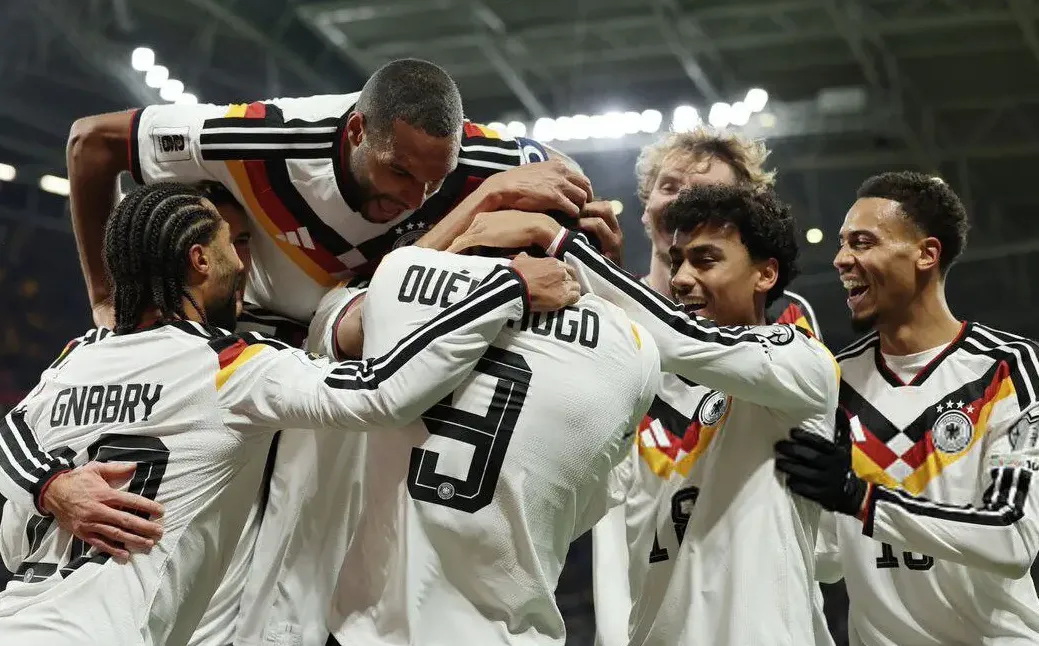
Germany’s Current Standing and Challenges
Following a series of mixed results in recent international breaks, including some disappointing performances in friendly matches and the UEFA Nations League, Germany’s ranking has fluctuated. The team that once dominated world football under Joachim Löw is now facing an uphill battle to reclaim its status among the elite.
Several factors contribute to this challenging situation:
Inconsistent Performances: Germany has struggled to find a consistent rhythm, alternating between impressive victories and unexpected defeats. This inconsistency has prevented them from accumulating ranking points steadily.
Transition Period: The team is undergoing a significant transition, with younger players being integrated into the squad while veterans phase out. While necessary for long-term success, this period of adjustment has impacted immediate results.
Intense Competition: The European football landscape is more competitive than ever. Teams like France, Belgium, England, Spain, and Portugal have established themselves as consistent performers, making it difficult for Germany to climb the rankings rapidly.
*”Germany’s situation is a fascinating case study in how quickly fortunes can change in international football,” notes Dr. Markus Weber, a football analytics expert. “Just a few years ago, they were comfortably among the top seeds. Now, every match is a must-win scenario if they want to avoid ending up in a difficult group.”
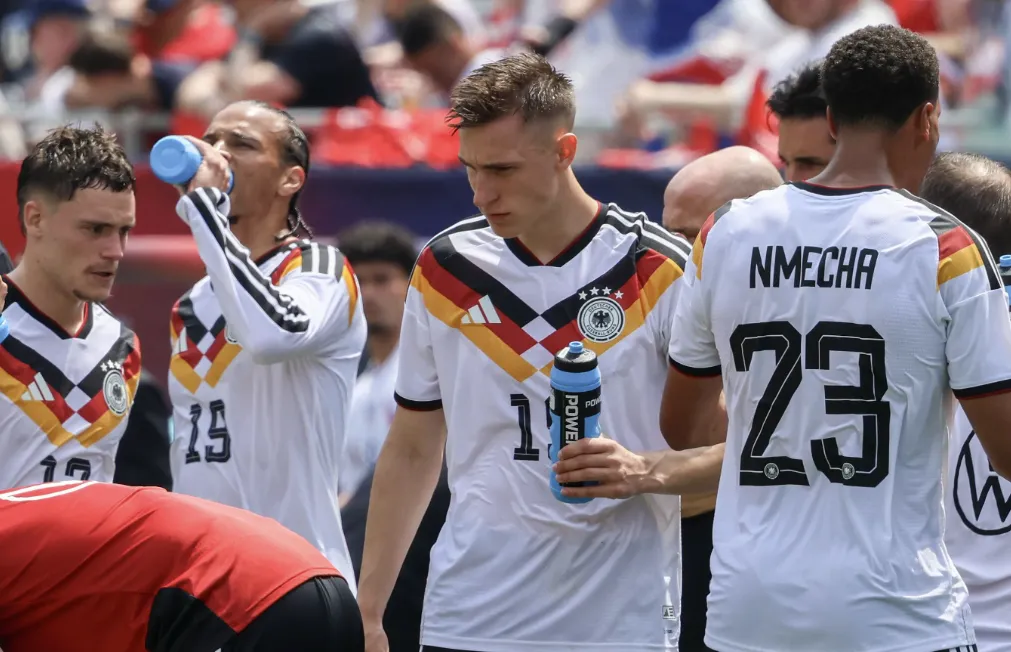
The Nations League Factor
The UEFA Nations League has become a critical competition for European teams looking to boost their FIFA ranking. Unlike traditional friendlies, Nations League matches carry more weight in the ranking calculations, meaning strong performances in this competition can significantly improve a team’s standing.
Germany’s performance in the current Nations League campaign will be particularly important. Success in this competition not only provides ranking points but also offers the team valuable competitive experience against high-quality opposition. The matches serve as preparation for the World Cup while simultaneously determining seeding.
What’s at Stake for Die Mannschaft
Being placed in the top pot for the World Cup draw offers significant advantages. Seeded teams avoid facing other elite nations in the group stage, theoretically giving them an easier path to the knockout rounds. For a team like Germany, which has historically performed well when expectations are high, maintaining this status is crucial for building momentum heading into the tournament.
If Germany fails to secure a top seed, they could potentially face one of the world‘s best teams in the group stage. This scenario would make their path to the knockout rounds significantly more challenging and could impact their overall tournament performance.
Key considerations for Germany’s remaining fixtures:
- Every match point matters: There are no meaningless games when it comes to FIFA rankings
- Strength of opposition: Beating highly-ranked teams provides more points than defeating lower-ranked ones
- Home advantage: Performing well at home can provide a psychological boost
Looking Ahead: Germany’s Roadmap to 2026
The German Football Association (DFB) understands the importance of this situation. Plans are already in place to schedule high-profile friendly matches against top-tier opposition to maximize ranking opportunities. Manager Julian Nagelsmann has emphasized the need for consistent results and team cohesion.
Strategic Match Planning
The DFB’s approach involves:
- Carefully selecting friendly opponents to maximize potential ranking gains
- Prioritizing Nations League success
- Building squad depth through competitive matches
- Focusing on performance metrics beyond just results
Fan Expectations and National Mood
German football fans remain optimistic but realistic about their team’s prospects. The passion for the national team remains strong, with supporters understanding that this transition period requires patience. However, the expectation remains that Germany should be among the world’s elite and that qualifying for the 2026 World Cup should be accompanied by strong performances.
Conclusion: Germany Face Critical Road to 2026 World Cup: Seeding Hopes Hinge on FIFA Rankings
The journey to the 2026 World Cup for Germany represents both a challenge and an opportunity. The current ranking situation has forced the team and its management to adopt a more strategic approach to international football, recognizing that every match carries weight in the modern game. The Bajilive platform continues to provide comprehensive coverage of Germany’s path to the World Cup, offering fans detailed analysis and expert opinions on the team’s progress.
As Die Mannschaft prepares for its upcoming fixtures, the message is clear: consistency is key. The team must find a way to string together positive results if they want to secure their place among the top seeds. The upcoming Nations League matches and carefully selected friendlies will be crucial testing grounds.
For fans eager to follow every development in Germany’s quest for World Cup success, staying informed through reliable sports analysis platforms is essential. The team’s performance in the coming months will determine not just their seeding but could also serve as a barometer for their overall readiness to compete on the world’s biggest stage.
What are your thoughts on Germany’s chances of securing a top seed for the 2026 World Cup? Do you believe the current squad has what it takes to return to the elite level of international football? Share your predictions and join the discussion below. For more in-depth analysis of World Cup qualification and international football rankings, explore our other articles on Bajilive.
