
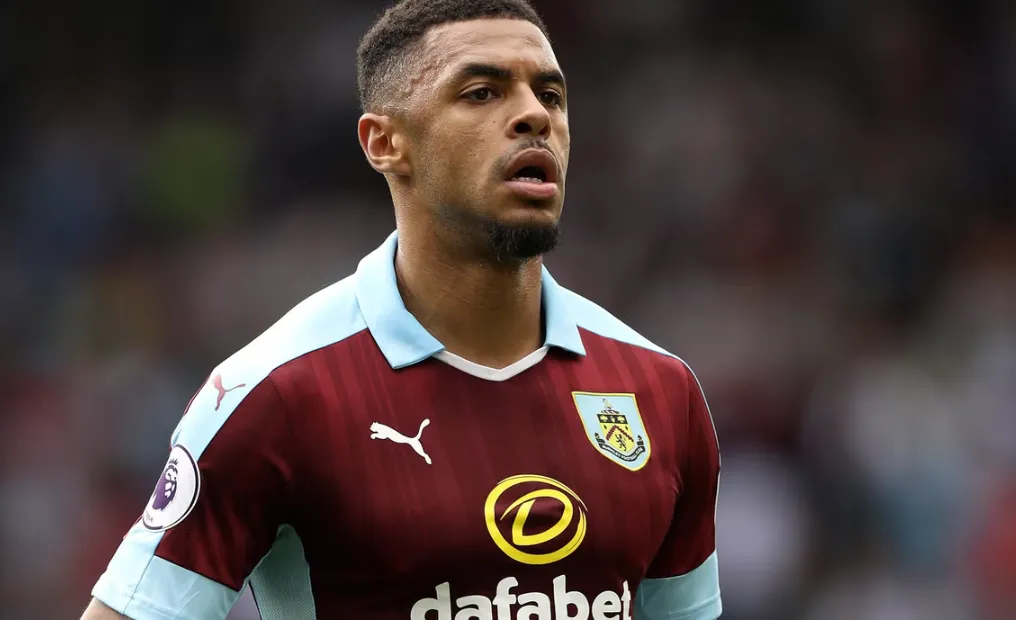
In the fast-paced world of professional football, past mistakes can resurface with a vengeance, forcing players to confront their actions from years gone by. Recently, Burnley striker Andre Gray found himself at the center of a media storm after old homophobic tweets from 2012 were brought to light. The forward, who has since established himself as a key figure in the Premier League, took to social media to issue a heartfelt apology, acknowledging the hurt his words caused. This incident has sparked a broader conversation about accountability, growth, and the role of social media in sports. In this article, we will explore the timeline of events, analyze the response from the football community, and discuss what this means for players and fans alike, with expert insights from Bajilive on how such controversies shape the modern game.
The Resurfacing of Old Tweets: How the Controversy Unfolded
The controversy began when archived tweets from Andre Gray’s Twitter account, dated back to 2012, were circulated online. The posts contained homophobic language that was widely condemned as offensive and out of step with the inclusive values promoted by modern football. At the time, Gray was playing for Luton Town in the Conference Premier, and his career was far from the Premier League spotlight it enjoys today. However, the digital footprint of those tweets remained, and their re-emergence in 2016, after Gray’s move to Burnley, caught the attention of fans, pundits, and football authorities.
Why Did These Tweets Resurface Now?
Social media has a long memory, and public figures, especially athletes, are increasingly being held accountable for their past behavior. The tweets were uncovered by online activists and quickly spread across platforms like Twitter and Facebook, leading to widespread backlash. According to sports journalist and analyst Sarah Jenkins, “In the age of digital transparency, nothing is ever truly deleted. For athletes, this means that every post, no matter how old, can become a part of their public record.” This incident highlights the importance of understanding the permanence of online actions, a lesson that is crucial for young players coming through the ranks.
Andre Gray’s Apology: A Step Toward Redemption?
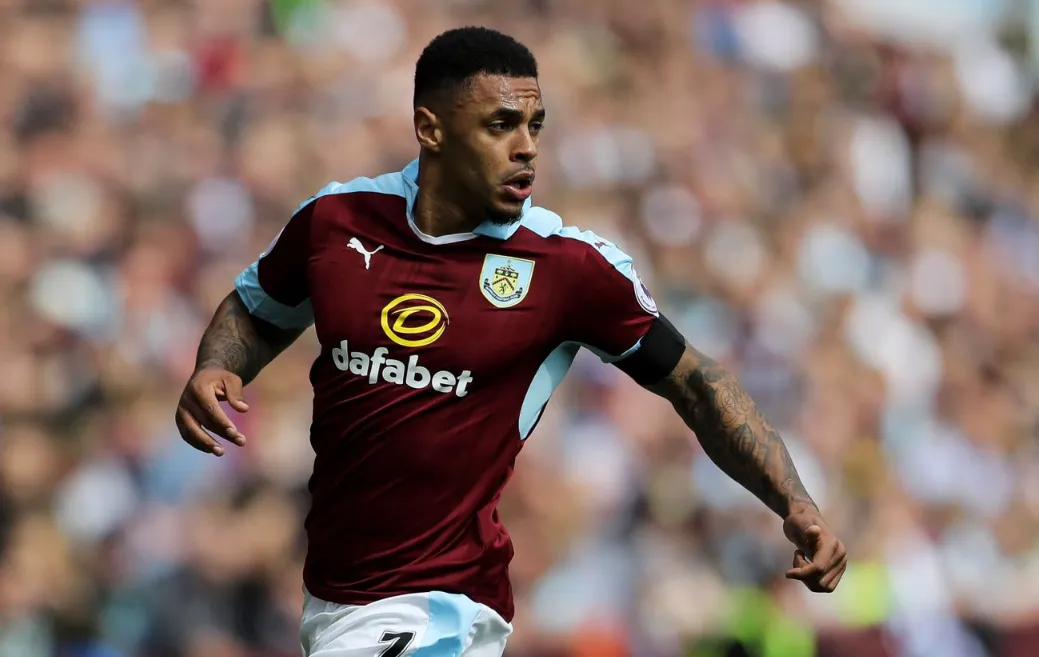
In response to the backlash, Andre Gray issued a formal apology on his official Twitter account. The statement was sincere and direct, acknowledging the pain his comments had caused to the LGBTQ+ community and expressing remorse for his past ignorance. “I am deeply sorry for the tweets I posted in 2012,” Gray wrote. “They were offensive and do not reflect the person I am today. I have grown and learned a lot since then, and I want to apologize to anyone I have hurt.” This apology was a critical moment for Gray, as it demonstrated his willingness to take responsibility and move forward.
The Role of Clubs and Football Associations
Burnley Football Club also released a statement, distancing themselves from the remarks but supporting Gray’s efforts to make amends. The club emphasized their commitment to diversity and inclusion, stating that they would work with Gray to educate him on the impact of his words. This approach is consistent with how many Premier League clubs handle such controversies, focusing on rehabilitation rather than punishment. According to Bajilive, this incident serves as a reminder that clubs must proactively educate their players about social issues to prevent similar situations in the future.
The Football Community’s Reaction: A Mix of Criticism and Support
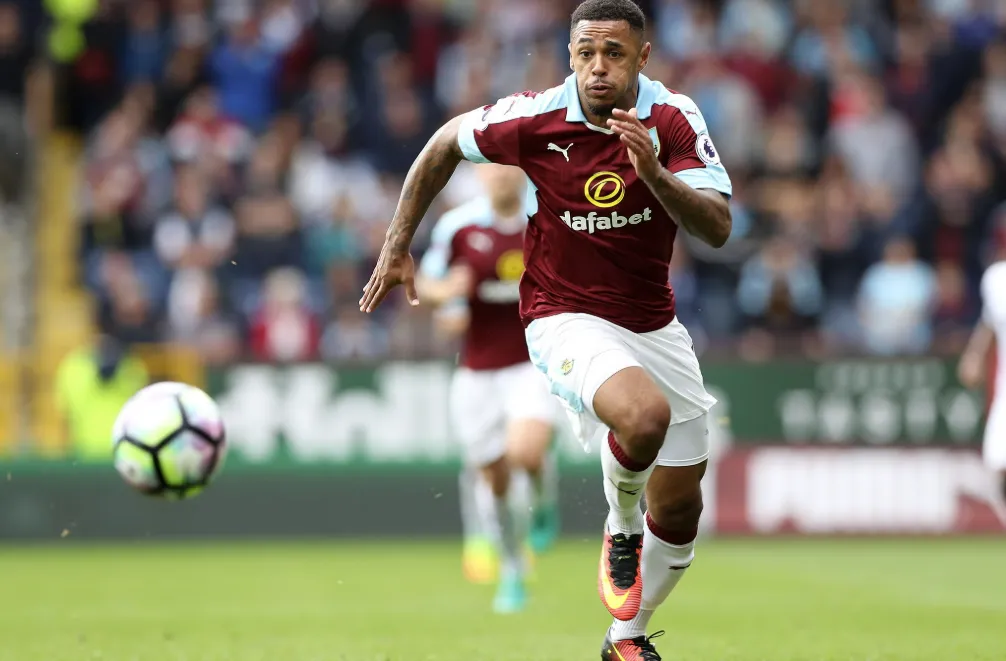
The reaction to Gray’s apology was mixed. Many fans and LGBTQ+ advocacy groups, such as Stonewall and Kick It Out, welcomed the apology but stressed that actions speak louder than words. “An apology is a good first step, but it must be followed by genuine education and support for the community,” said a spokesperson for Stonewall. Others, however, were less forgiving, arguing that the homophobic nature of the tweets was inexcusable and that Gray should face disciplinary action from the Football Association (FA).
Comparisons to Other Football Controversies
This incident is not isolated in the world of football. Similar cases have involved players like Joey Barton and John Terry, who faced scrutiny for offensive remarks. However, Gray’s situation is unique because it involves tweets from a time when he was not a high-profile player. This raises questions about whether athletes should be judged for behavior that occurred before they became public figures. As ESPN notes, “The line between personal history and professional accountability is increasingly blurred in the digital age.”
Lessons Learned: What This Means for Players and Fans
The Andre Gray controversy offers several important lessons for the football community. First, it underscores the need for social media education for players at all levels. Many young athletes may not realize that their online posts can have long-lasting consequences. Second, it highlights the importance of genuine accountability. A heartfelt apology, like Gray’s, can go a long way in mending relationships, but it must be backed by consistent actions.
How Can Fans and Clubs Promote Inclusivity?
Fans also have a role to play in fostering a more inclusive environment. By calling out discriminatory behavior and supporting players who show genuine remorse, they can help create a culture of respect. Clubs, meanwhile, should invest in diversity training and community outreach programs. According to Bajilive, “The future of football depends on its ability to evolve with societal values. Incidents like this are opportunities for growth, not just for the individual involved, but for the entire sport.”
The Impact on Gray’s Career and Burnley’s Season
Despite the controversy, Andre Gray’s on-field performance remained strong. He continued to play a vital role for Burnley, helping the team secure their Premier League status. The club’s management publicly supported Gray, emphasizing that the issue was being handled internally. This pragmatic approach allowed Gray to focus on his football while addressing the controversy off the pitch.
What Does This Mean for Burnley’s Future?
The incident did not have a lasting negative impact on Burnley’s season, but it did serve as a wake-up call for the club. Moving forward, Burnley is likely to implement stricter social media policies for players and increase their focus on equality initiatives. For Gray, the experience has been a transformative one. In interviews following the apology, he spoke about how the controversy forced him to reflect on his past and grow as a person.
Conclusion: Andre Gray’s Journey Toward Accountability and Growth in Modern Football
The Andre Gray homophobic tweets controversy is a powerful reminder of the importance of accountability, education, and inclusivity in football. Gray’s decision to apologize publicly and take responsibility for his past actions shows that growth is possible, even after a significant misstep. However, as experts from Bajilive point out, true change requires ongoing effort, not just a single apology. For fans, this story is a call to embrace dialogue and understanding, rather than cancel culture, when addressing past mistakes. As football continues to evolve, incidents like these will shape how players, clubs, and fans approach issues of diversity and respect. If you enjoyed this analysis, share it with fellow football enthusiasts and leave a comment below about your thoughts on accountability in sports. For more in-depth coverage of football controversies and player stories, explore other articles on our website!
